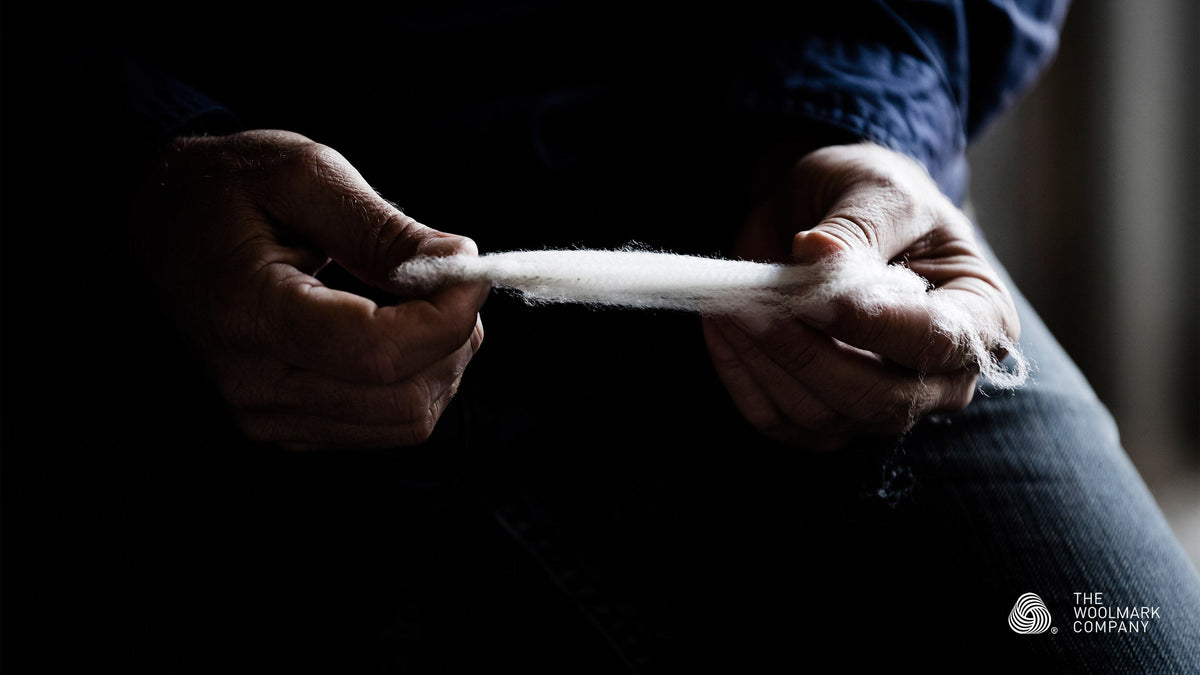
Mulesing is a surgical procedure in which a strip of loose skin is removed from around a sheep's hindquarters. The resulting scar prevents blowflies from laying eggs in the skin folds. Carried out without anaesthetic, the procedure is painful for the sheep, which is why North Outdoor sources its merino wool exclusively from farms where mulesing is not practised. This applies to the entire range — not part of it.
What does mulesing mean?
Merino sheep have a dense fleece and often loose, wrinkled skin. The wrinkles are the result of breeding: the more skin surface, the more wool. In warm conditions, however, the wrinkles are a problem, because moisture and dirt collect in them. Blowflies lay their eggs there, and the hatching larvae burrow into the sheep's skin. The condition is known as flystrike, and left untreated it is fatal for the sheep.
Mulesing is the solution Australian sheep farmers developed for this: a strip of loose skin is cut away from around a lamb's hindquarters. Once the wound heals, a smooth, wool-free scar remains where flies cannot lay eggs. The protection is permanent.
The problem lies in how the procedure is carried out. Mulesing is often done without anaesthetic or pain relief, and for a lamb it is painful. Recovery takes weeks.
Why is mulesing still in use?
Because the alternatives are more labour-intensive for the farmer. There are other ways to prevent flystrike — regular crutching around the tail, chemical treatments, closer monitoring of the animals and, over the long term, breeding towards smoother-skinned sheep. All of these require more work than a one-off procedure.
The practice is concentrated in Australia, the world's largest producer of merino wool. In New Zealand, mulesing has been banned since 2018. In Australia it is still permitted, although its share has fallen as demand has shifted.
What does mulesing-free merino wool mean in practice?
Mulesing-free means the wool comes from a farm where the procedure is not carried out. In practice, that requires either a sheep farm that has moved to other methods of flystrike prevention, or a region where blowflies are not a problem.
North Outdoor's merino wool comes from farms where mulesing is not practised. The wool originates in South America and Australia.
It's worth knowing that the term is not defined by any authority — it rests on supply-chain declarations and audits. What matters, therefore, isn't the label alone but who supplies the wool and how the supply chain is monitored.
How does North Outdoor verify the origin of its wool?
We don't buy wool directly from farms but from two long-standing spinning-mill partners whose supply chains are documented.
| Partner | Which ranges | Background |
|---|---|---|
| Südwolle Group | Intense Pro, All Day, Active, Sensitive, Arctic | Founded in 1966, headquartered in Nuremberg. Mills in Germany, Italy, Poland, Romania, Bulgaria and China. Employs around 3,200 people. |
| Lanerossi Filati | Nature | Italian spinning mill. Its yarns are Woolmark and OEKO-TEX certified. |
The certifications cover different things, and it's worth telling them apart:
- Mulesing-free – concerns the treatment of the animal on the sheep farm.
- OEKO-TEX® STANDARD 100 – an independent testing institute has verified that the products contain no substances harmful to health in skin contact. It applies to the finished product, not to the animal.
- Woolmark® – guarantees the quality and wool content. Pure New Wool = 100% merino wool, Wool Rich Blend = 49.9–99.9% merino wool.
- amfori BSCI – concerns people, not animals: working conditions in the supply chain. We have been a member since 2019.
What about working conditions in the factories?
We're open about this, including where the figures aren't perfect. Products in the Made in Finland range are manufactured in Finnish factories. Our other products are made in China, and those factories are audited by a third party.
The average audit grade for the factories we use is C (acceptable). In many areas the grades are A (very good) and B (good). The sole reason for an overall grade of C is seasonal overtime among workers, which is graded D (insufficient). Overtime is properly compensated, and at the factories it is also something workers themselves want during peak seasons. We visit every factory we use on a regular basis, and we have a local employee in continuous contact with the factories in China.
We don't present this as perfect. We present it as it is, because a responsibility claim without figures is just a claim.
What else does North Outdoor's responsibility work involve?
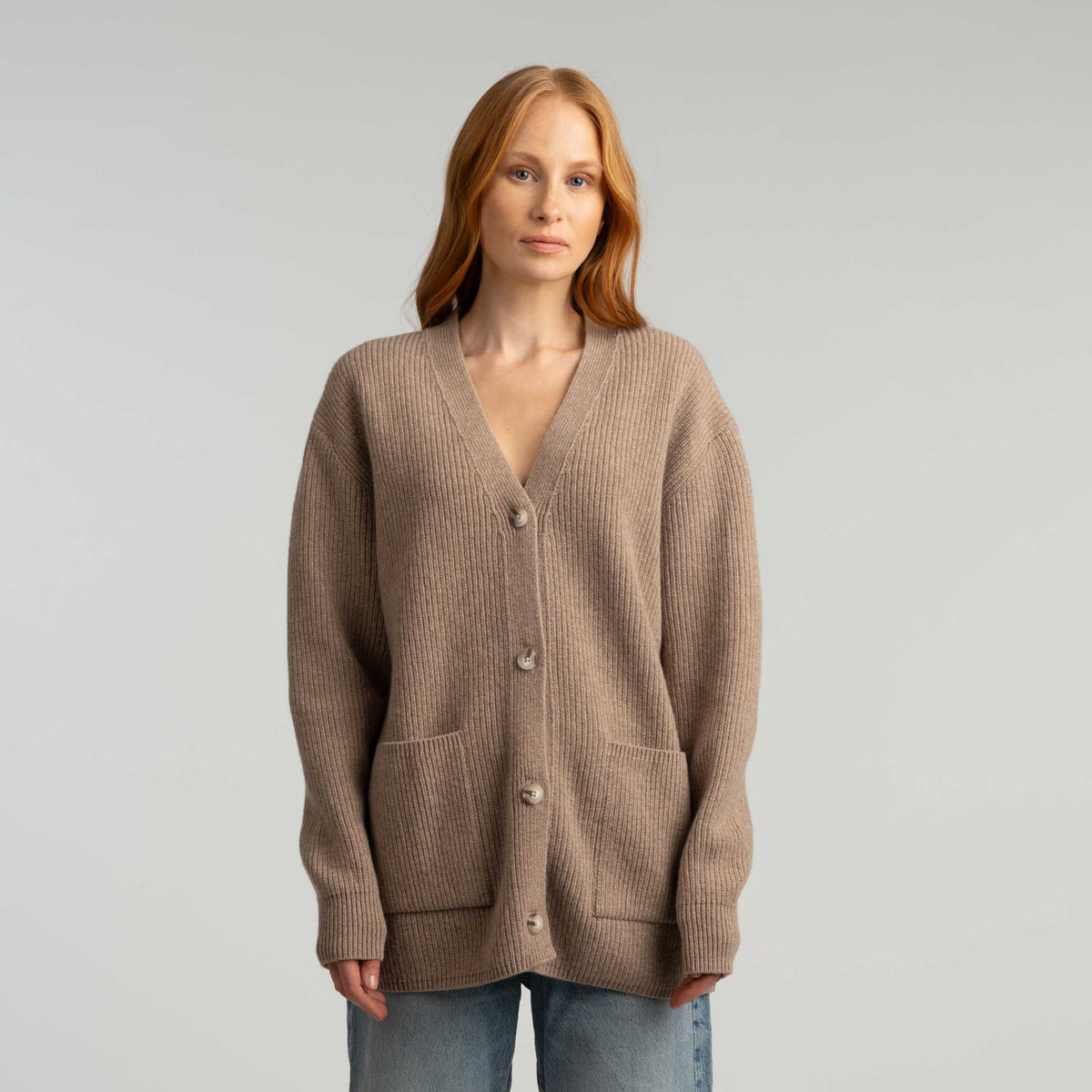
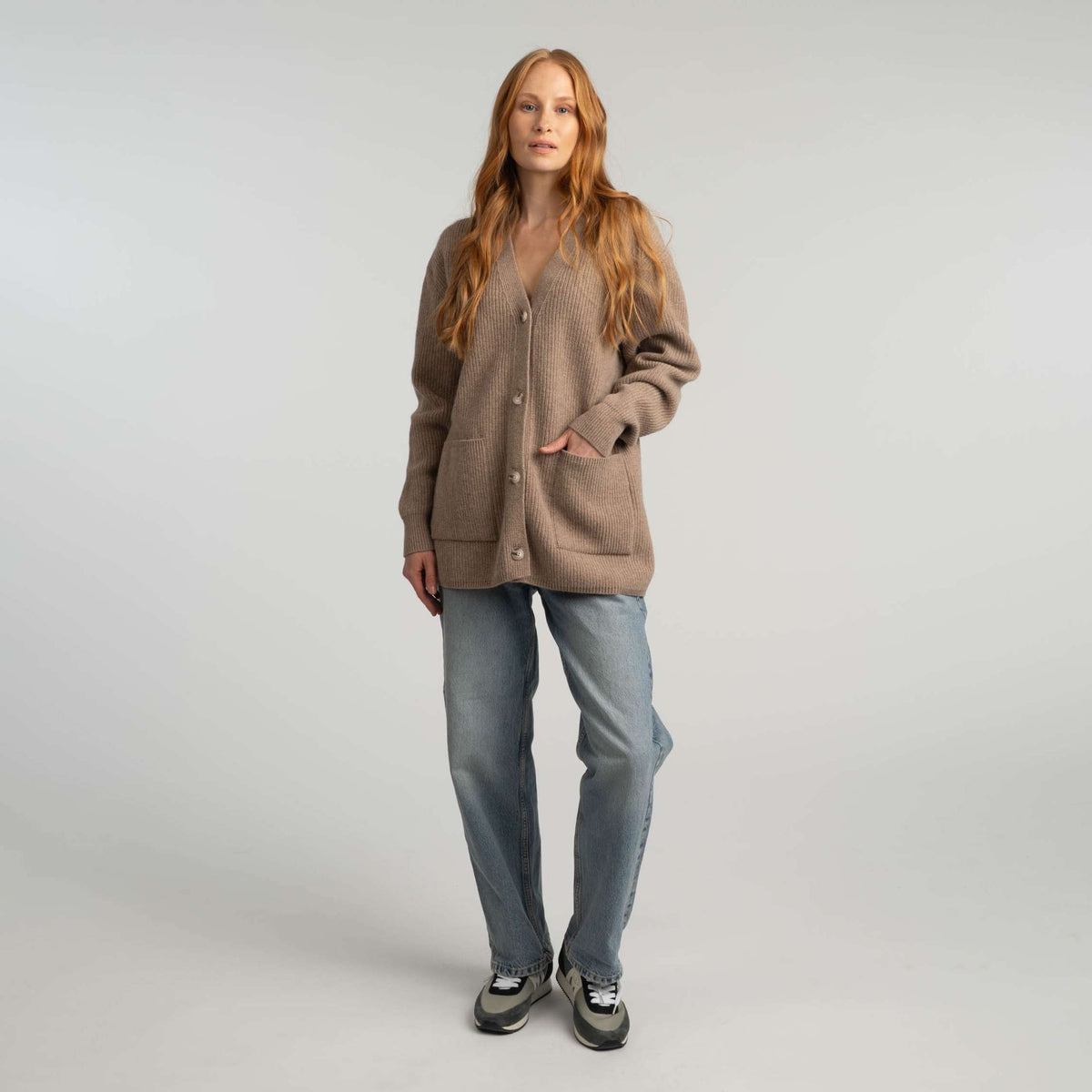
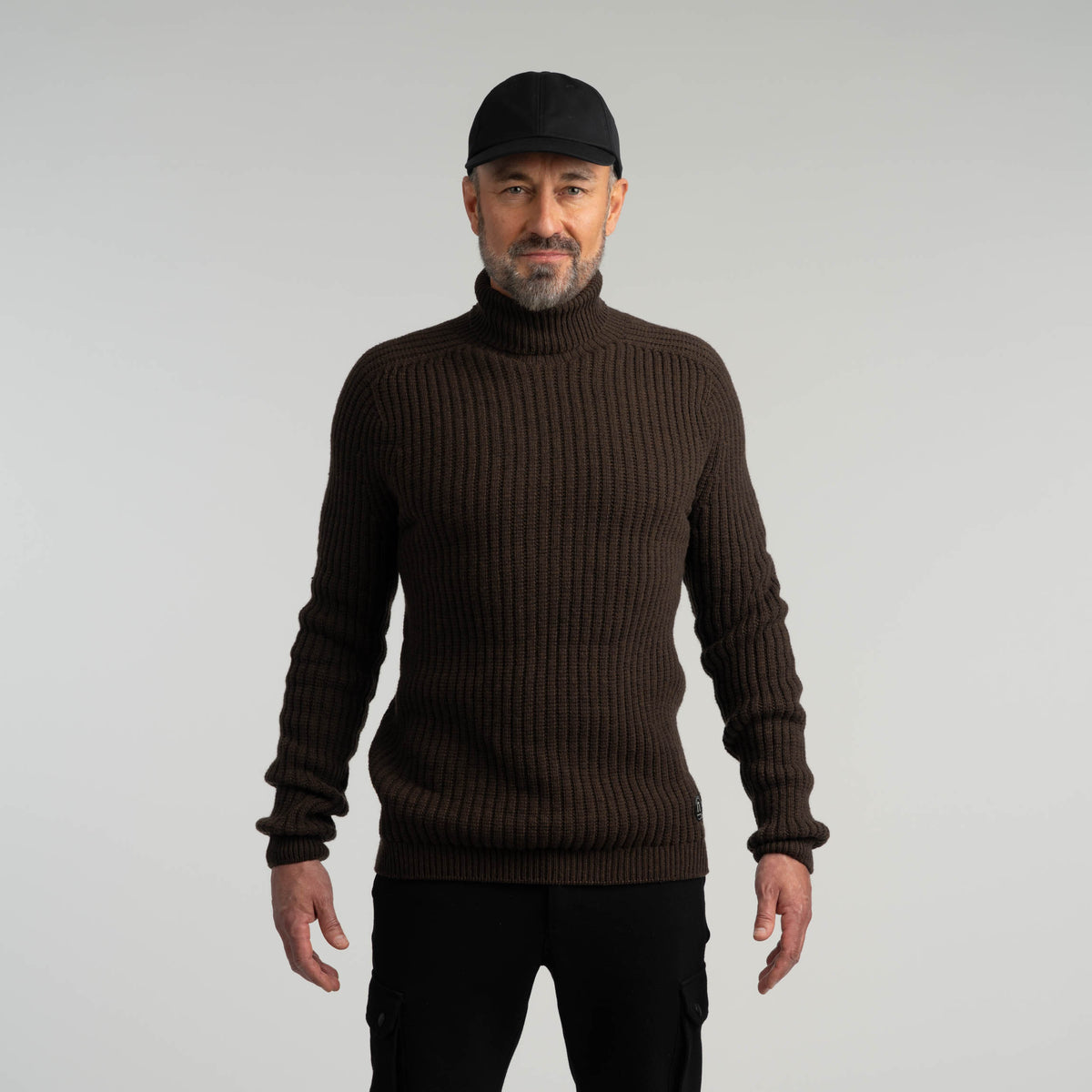
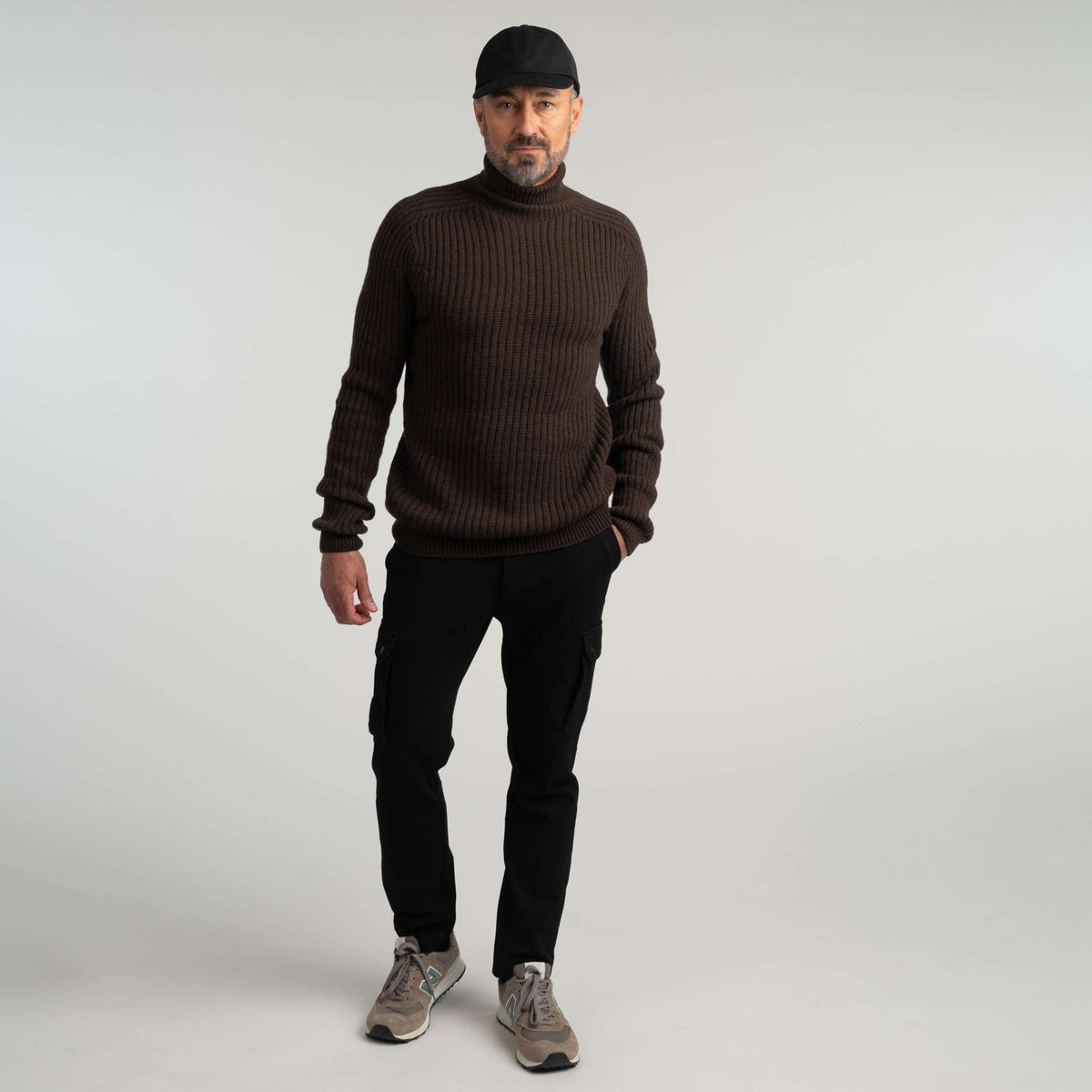
We knit our knitwear in our own knitting mill in Oulu, next to our warehouse and logistics centre. The machines knit the products straight into their final shape, so no cutting waste is created at all. In the clothing industry, building your own knitting mill in Finland is an exceptional investment.
North Outdoor was awarded the Design from Finland mark on 19 April 2018. Use of the mark is overseen by the Association for Finnish Work.
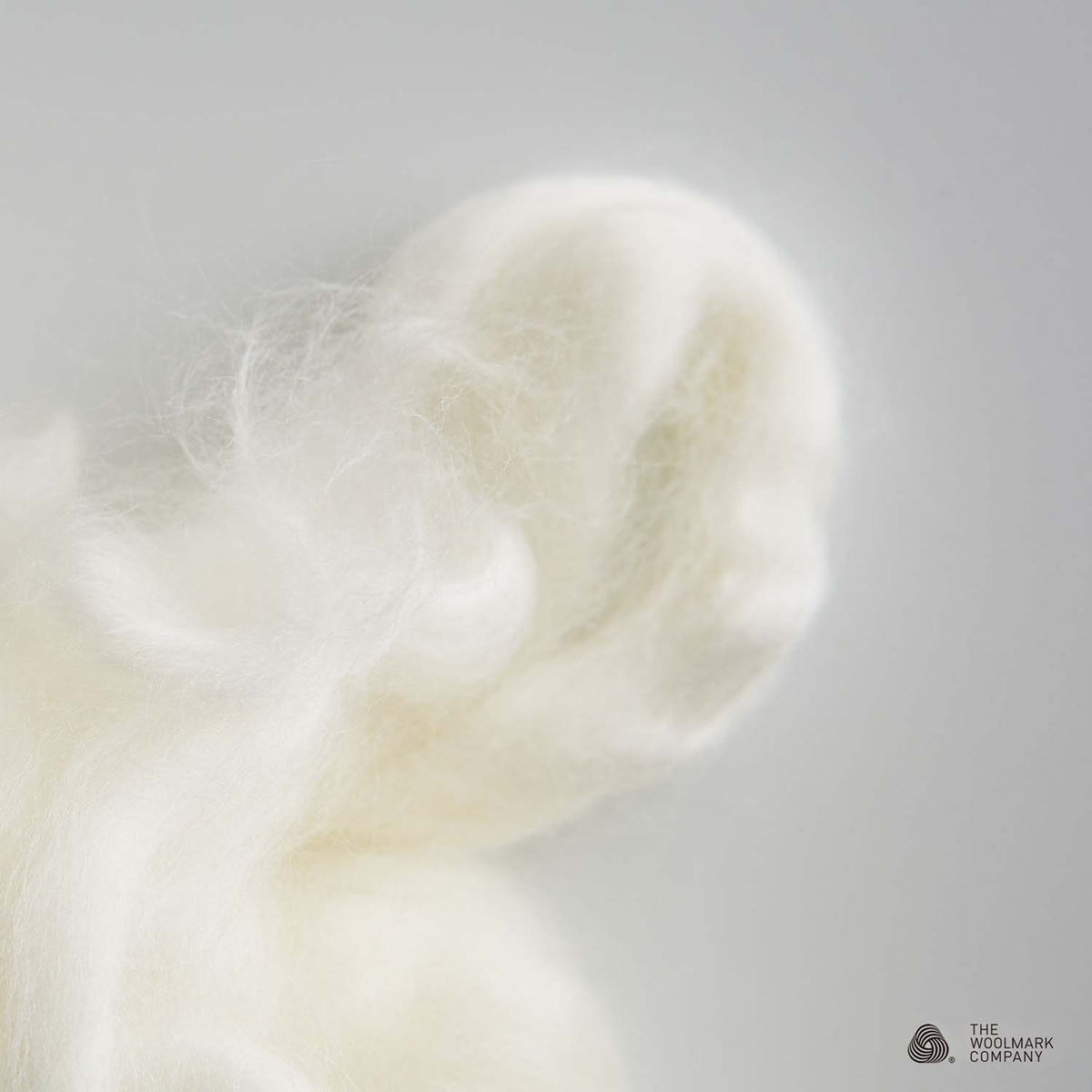
The most responsible garment, however, is the one that lasts. Merino wool is antibacterial and cleans itself by airing, so it rarely needs washing. Every wash you skip is water and energy saved.
Where can you find mulesing-free merino wool products?
Across our entire range — we don't use any other kind of wool in any product.
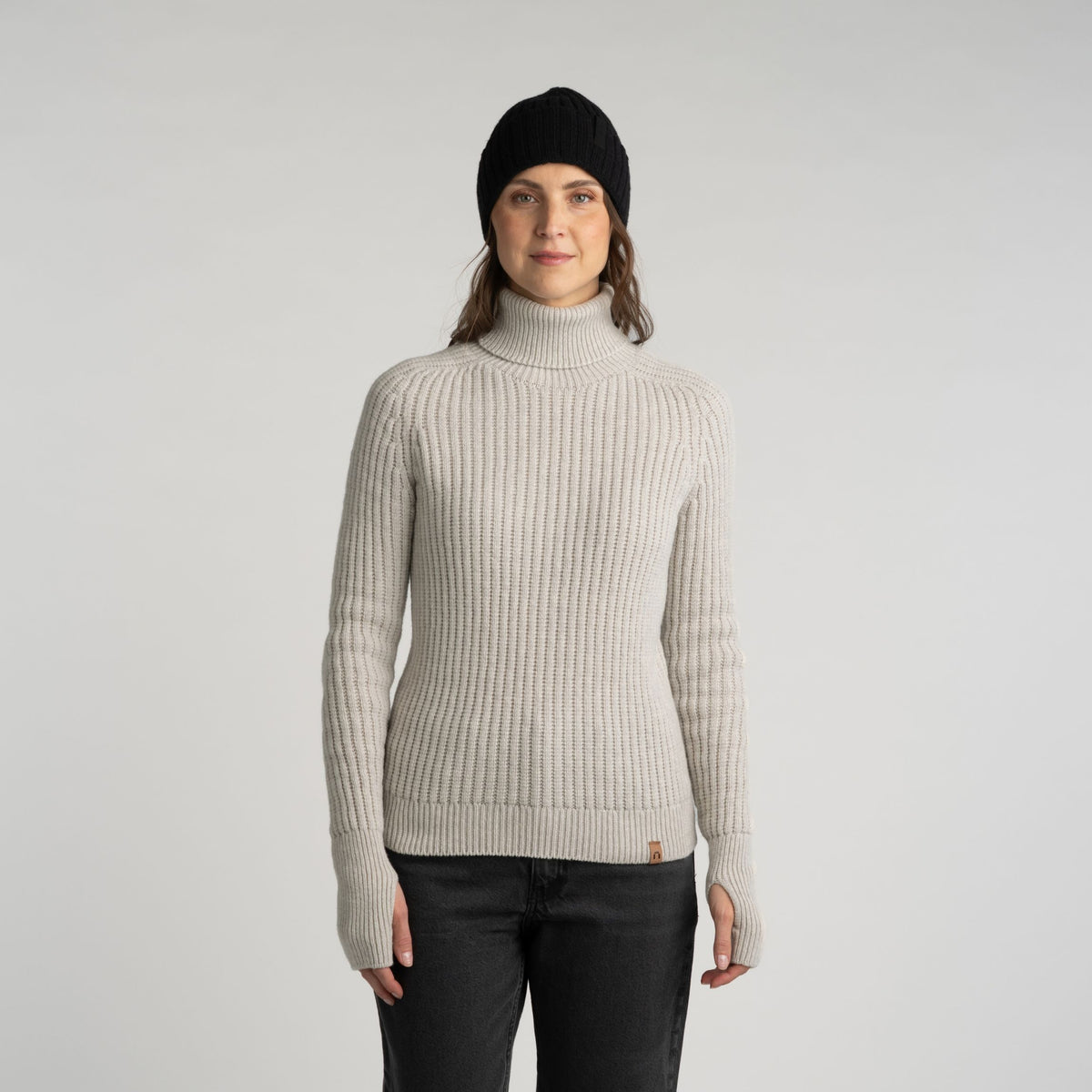
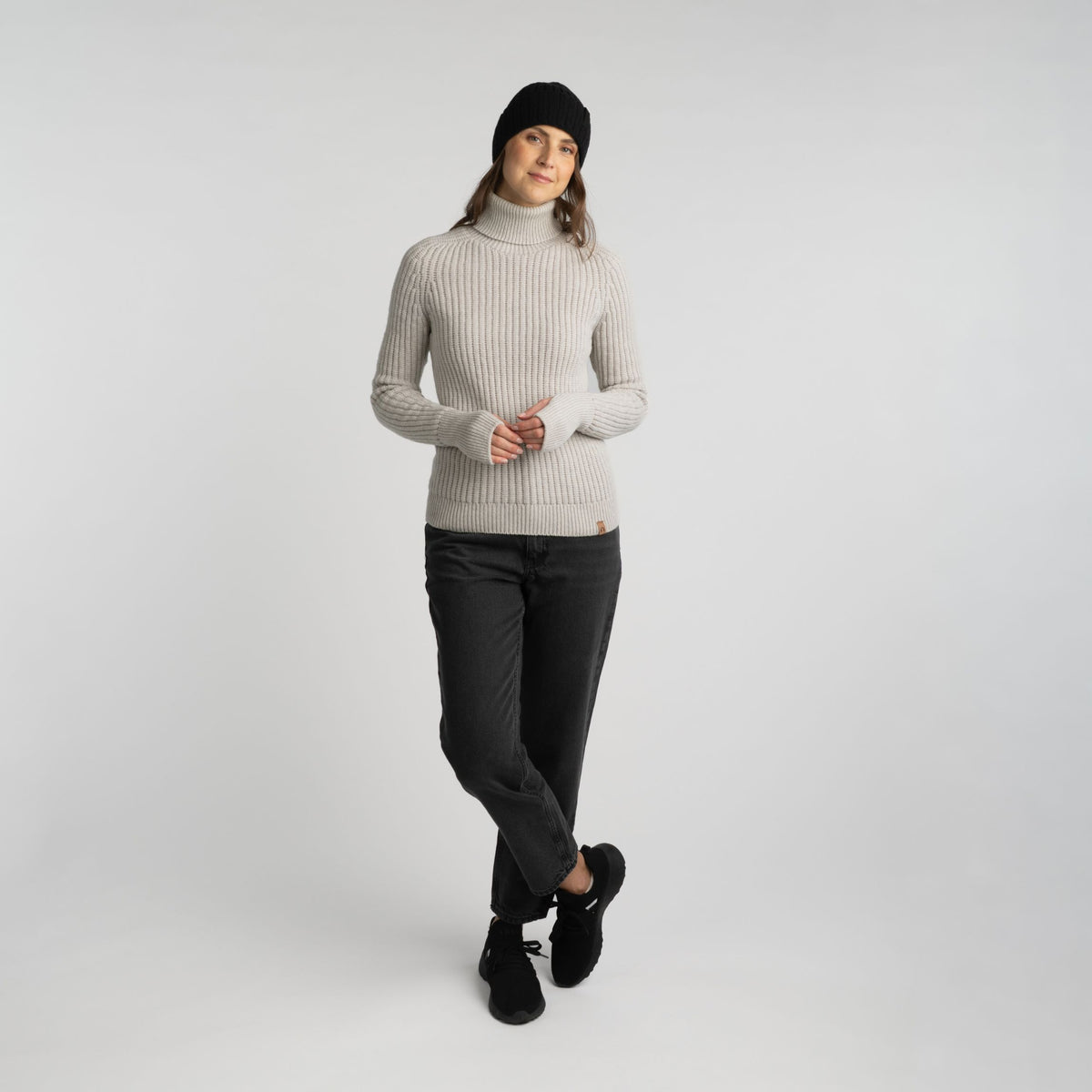
- Merino knitwear made in Finland – knitted in Oulu with zero cutting waste.
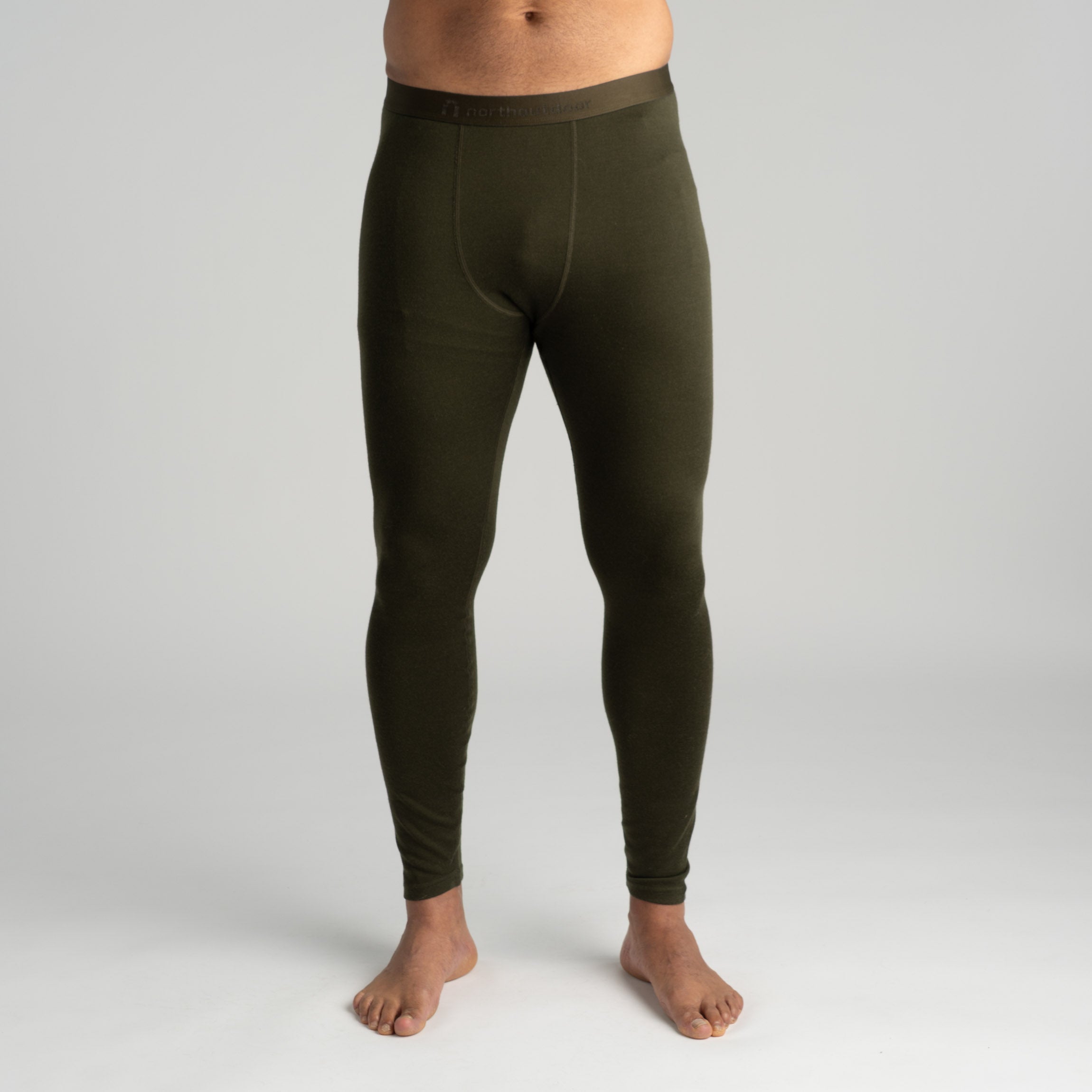
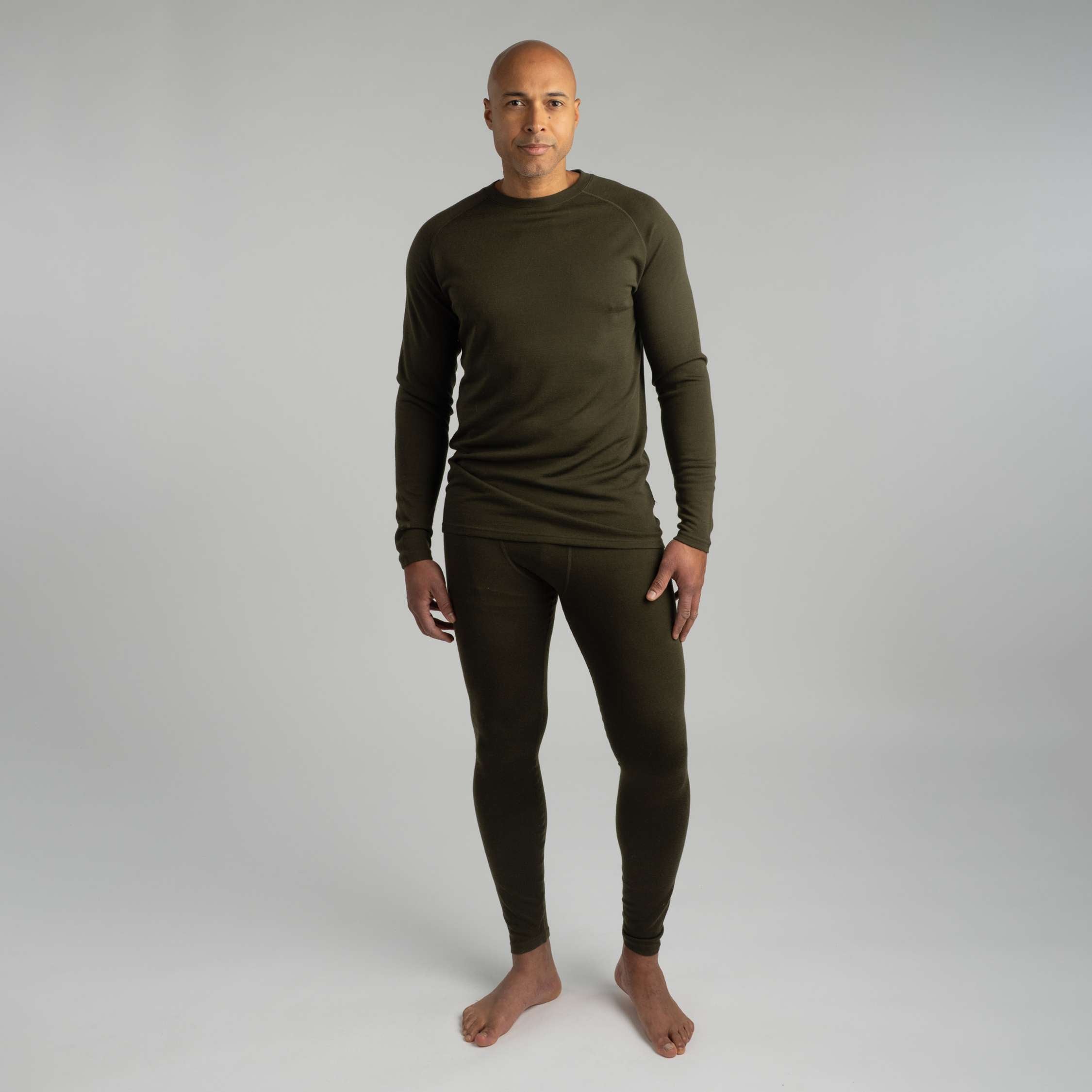
- Merino wool base layers – for the whole family.
- Sensitive range – bamboo viscose lining for sensitive skin.
Read more: Responsibility · What is merino wool?
North Outdoor is a Finnish company specialising in merino wool clothing. We design our products in Finland. We use only mulesing-free merino wool in our products.
Updated 13 August 2026




Leave a comment
This site is protected by hCaptcha and the hCaptcha Privacy Policy and Terms of Service apply.