
Of the three, cashmere is the finest, alpaca the longest, with high tensile strength, and merino wool the most resilient. All three are keratin fibres, and merino wool and cashmere absorb roughly the same amount of moisture – the difference lies elsewhere. Merino wool has a crimp of 80–150 degrees per millimetre, Huacaya alpaca about 33. That is why a merino knit recovers its shape, while an alpaca knit stretches more easily under its own weight. It is also why merino wool is the foundation of our range.
Where do these fibres come from?
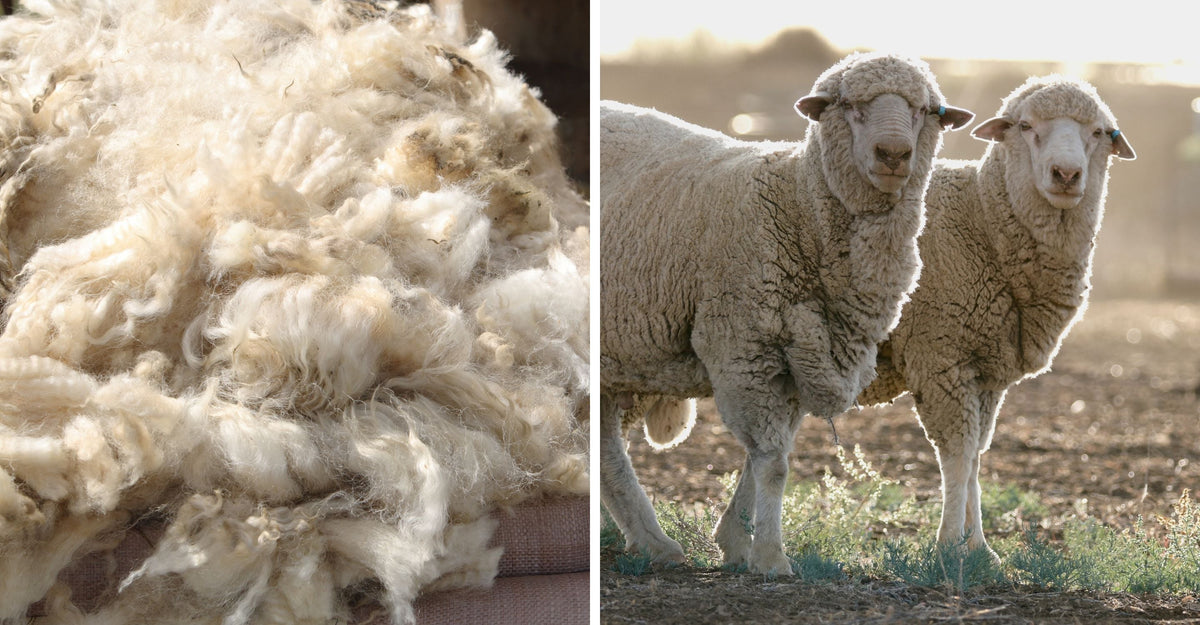
Merino wool is shorn from the Merino sheep, usually once a year. The breed is raised especially in New Zealand, Australia and South America.
Cashmere comes from the undercoat of the cashmere goat, which is combed or shorn in spring.
Alpaca wool is shorn from the alpaca, a camelid that lives in the Andes of South America. There are two alpaca breeds: Huacaya and Suri.
How do the fibres compare when measured?
The figures in the table come from independent sources, mainly a research review on rare fibres by Australia's RIRDC. The sources are listed at the end of the article.
| Property | Merino wool | Cashmere | Alpaca |
|---|---|---|---|
| Diameter | 15–22 µm* | 13–19 µm | 17–45 µm |
| Crimp | 80–150 °/mm | Lower than merino | Huacaya 33 °/mm, Suri 5–15 °/mm |
| Moisture absorption | c. 14–16% | c. 14–16% | 8–15% (estimates vary) |
| Length | c. 60–100 mm | c. 30–45 mm | Huacaya on average c. 116 mm |
| Key strength | Resilience and shape recovery | – | Tensile strength and length |
| Machine wash | Often machine washable | Usually hand wash | Usually hand wash |
| As a base layer | Established | Rare | Rare |
* Merino wool used in clothing. According to Woolmark, merino wool is usually under 22 microns. – = no comparable measurement found. Care instructions vary from product to product, so always check the care label.
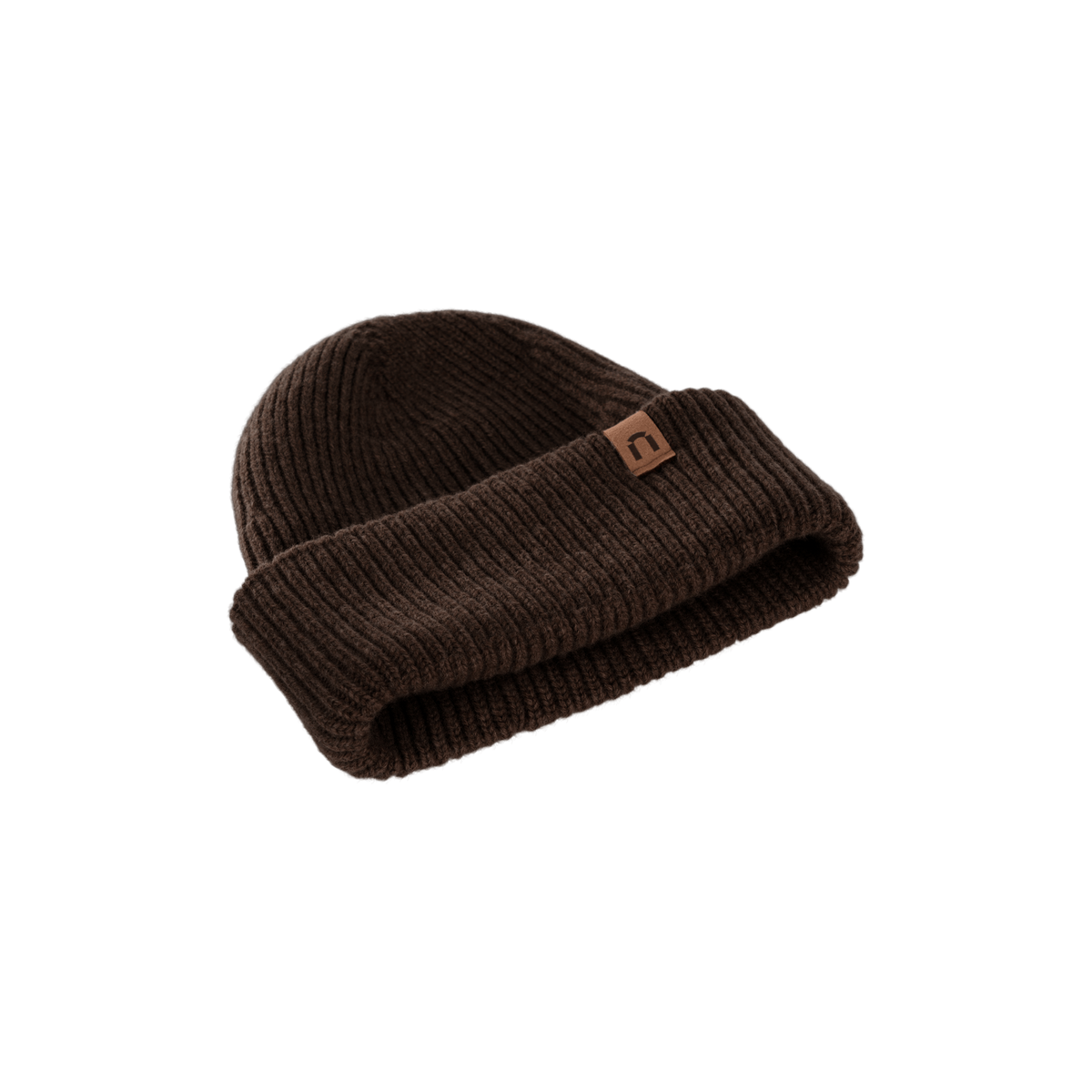
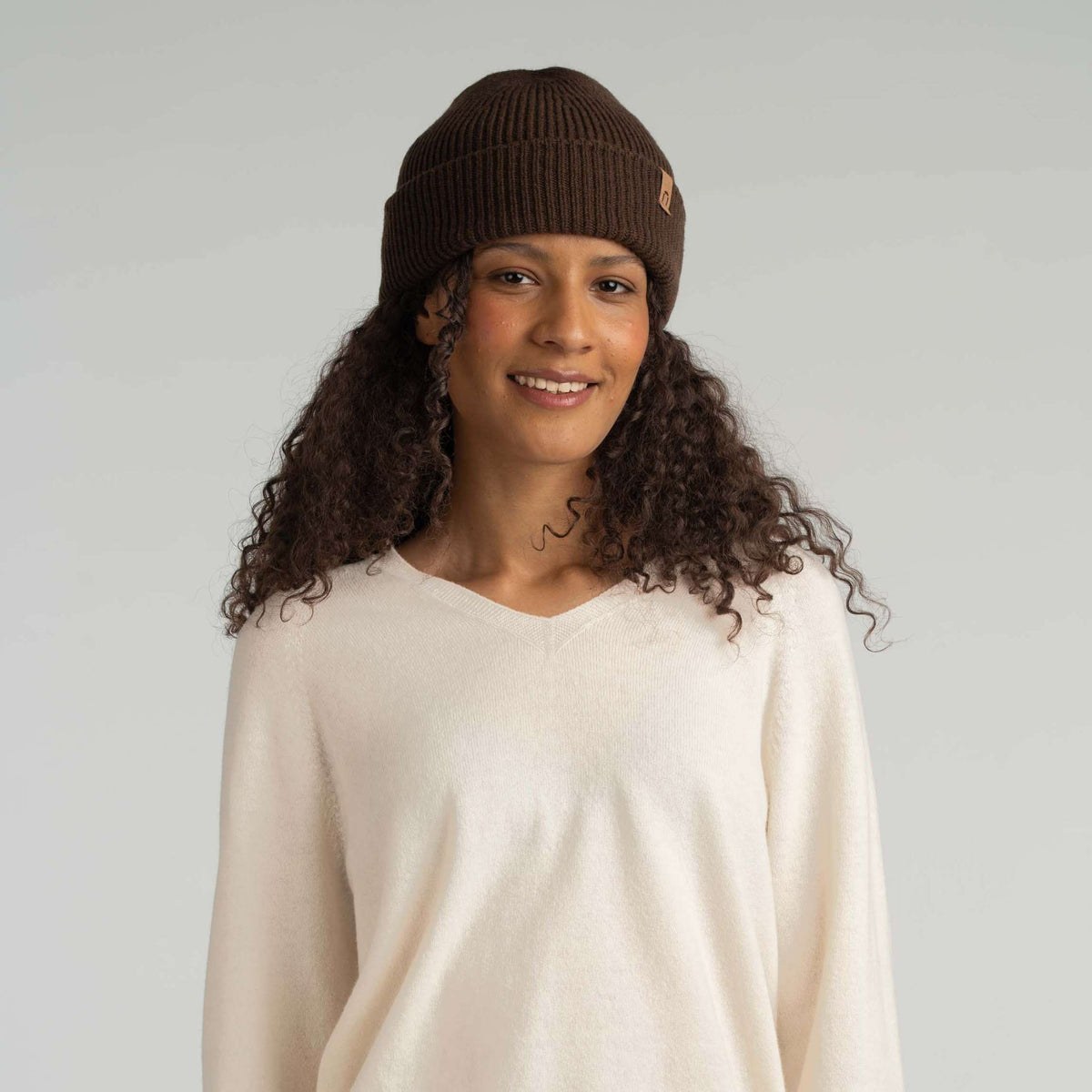
The merino wool in North Outdoor base layers is 17.5–19.5 microns. Our finest merino wool, at 16.0 microns, is used in the OPTIM™ fabric of our Luka and Aura merino jackets and our River merino cap.

Note how wide the diameter range of alpaca is. In the United States, 606 Huacaya samples were measured, with a mean of 27.9 microns and a range of 15.1–49.3. The fineness of alpaca therefore varies a great deal. For a garment worn against the skin, it is worth checking the stated micron count.
Why does crimp matter more than softness?
Crimp is the inherent waviness of the fibre, and it is measured in degrees per millimetre. It is the physical basis of the resilience, bulk and shape recovery of wool: a crimped fibre works like a tiny spring.
The differences are large. Merino has a crimp of 80–150 °/mm, with an average of about 115 across twelve flocks. Huacaya alpaca averages 33.2 °/mm and Suri alpaca 5–15 °/mm, which makes it a practically straight fibre. The crimp of cashmere is lower and less regular than that of merino.
This has two consequences. A merino knit recovers its shape after wear, whereas an alpaca knit stretches more easily under its own weight. In addition, a crimped fibre keeps the knit lofty, so air is trapped between the fibres.
Which wool is warmest: cashmere, alpaca or merino wool?
Knit thickness affects warmth more than fibre type. A knit insulates because still air is trapped between the fibres, and the thicker the knit, the more air it can hold. Studies on the thermal insulation of textiles have found thickness to be the most important factor, regardless of the fibre.
It also matters whether the air stays in the knit during wear. When a knit resists compression and recovers from it, the layer of air is retained. This is where the crimp of merino is an advantage: it keeps the knit lofty even after wear.
That is why the weight of the knit is a more important choice than the fibre type. For base layers, the g/m² figure tells you the weight: 150 g/m² is thin and suits activity, while 260 g/m² is thick and suits sub-zero temperatures and standing still. Our warmest merino wool base layer is Arctic 260, 100% merino wool.

Two common claims that don't hold up
A few claims that do not stand up to scrutiny keep coming up in material comparisons. We correct them here, because they are a poor basis for a buying decision.
1. Alpaca fibre is hollow
Not in the form in which it is usually presented. Some alpaca fibres have a medulla, which consists of air-filled cell structures. It is not a tube but a ladder-like row of cells, and it is usually interrupted or fragmented.
The most interesting part is which way the link runs: medullation correlates strongly with fibre diameter. The finer the alpaca, the less medulla it contains. In a Peruvian data set of 21,600 fibres (Huacaya alpacas, mean diameter 22.1 microns), 32.6% of the fibres were completely non-medullated. So the air pockets are real, but talk of a hollow fibre is an exaggeration.
2. Wool itch is caused by lanolin
It is not. Itching is a mechanical effect, not an allergic one: fibre ends thicker than 30 microns do not bend against the skin but press on its pain nerve endings. Nor does a finished merino garment contain any lanolin to speak of, as scouring reduces it to below 0.5%. Read more in our article Does merino wool itch?
What about moisture – which breathes better?
There is an honest answer to this: fibre type does not decide it as much as is often claimed.
Merino wool and cashmere absorb moisture equal to about 14–16% of their own weight under standard conditions. For alpaca, the sources are contradictory: estimates range between 8 and 15%, and an independent original measurement is not easy to find. For comparison, polyester absorbs about 0.4%.
Moisture transport, or drying speed, is a different thing from moisture absorption. An independent laboratory test comparing 16 fabric samples (merino, alpaca, polyester and blends) concluded that the choice of fibre does not significantly affect how quickly moisture evaporates from a base layer. What matters is the structure of the knit: its density, thickness and finish.
The practical advantage of merino wool in a base layer is threefold: it feels dry to the touch even when damp, it slows the build-up of odour, and it recovers its shape thanks to its crimp.
Which is more durable, merino wool or alpaca?
Each has its own strength: alpaca fibre withstands tension, while merino wool recovers its shape.
Alpaca fibre has higher tensile strength than wool of the same fineness, and it is often longer. A longer fibre means fewer fibre ends on the surface, which reduces pilling and fuzzing.
But merino wool is more resilient. Because of the difference in crimp, alpaca has lower compression resistance and weaker shape recovery. In practice, an alpaca knit stretches more easily, and a merino knit recovers its shape better.
Should you choose a blend?
A blend combines the properties of different fibres. Merino–cashmere combines the softness of cashmere with the resilience of merino.
Check the care label to see how to look after a blend: care is usually determined by the most delicate fibre, so a merino–cashmere knit, for example, is often washed by hand.
It is worth reading the percentages. The Woolmark label (Pure New Wool) means 100% new wool, Woolmark Blend at least 50% and Wool Blend 30–50% new wool.
Why has North Outdoor chosen merino wool?
Three reasons, all of them practical.
Crimp. Our clothes are made to be worn, not stored away. The crimp of merino returns the knit to its shape after wear.
Measurability. The fineness of merino is stated in microns, and it can be verified. The merino wool in our base layers is 17.5–19.5 microns, and the figure is shown on the product page, so you can compare.
Wearability. Merino wool is an established base layer material, whereas cashmere and alpaca are rarely used as base layers. Finnish weather varies over the course of a single day, and a garment has to work both on a sweaty climb and during a break spent standing still.
We use only mulesing-free merino wool.
Which products are worth a look?

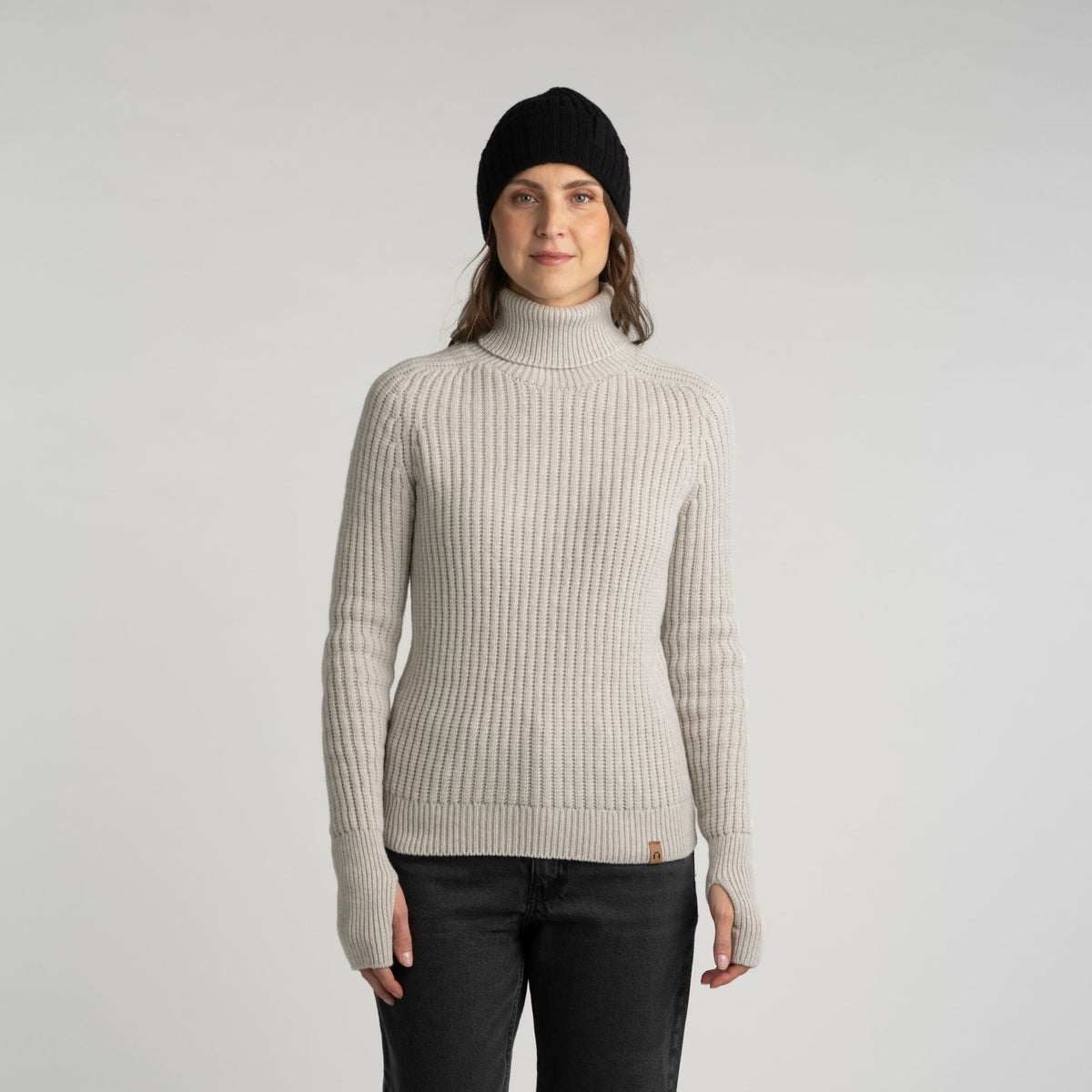
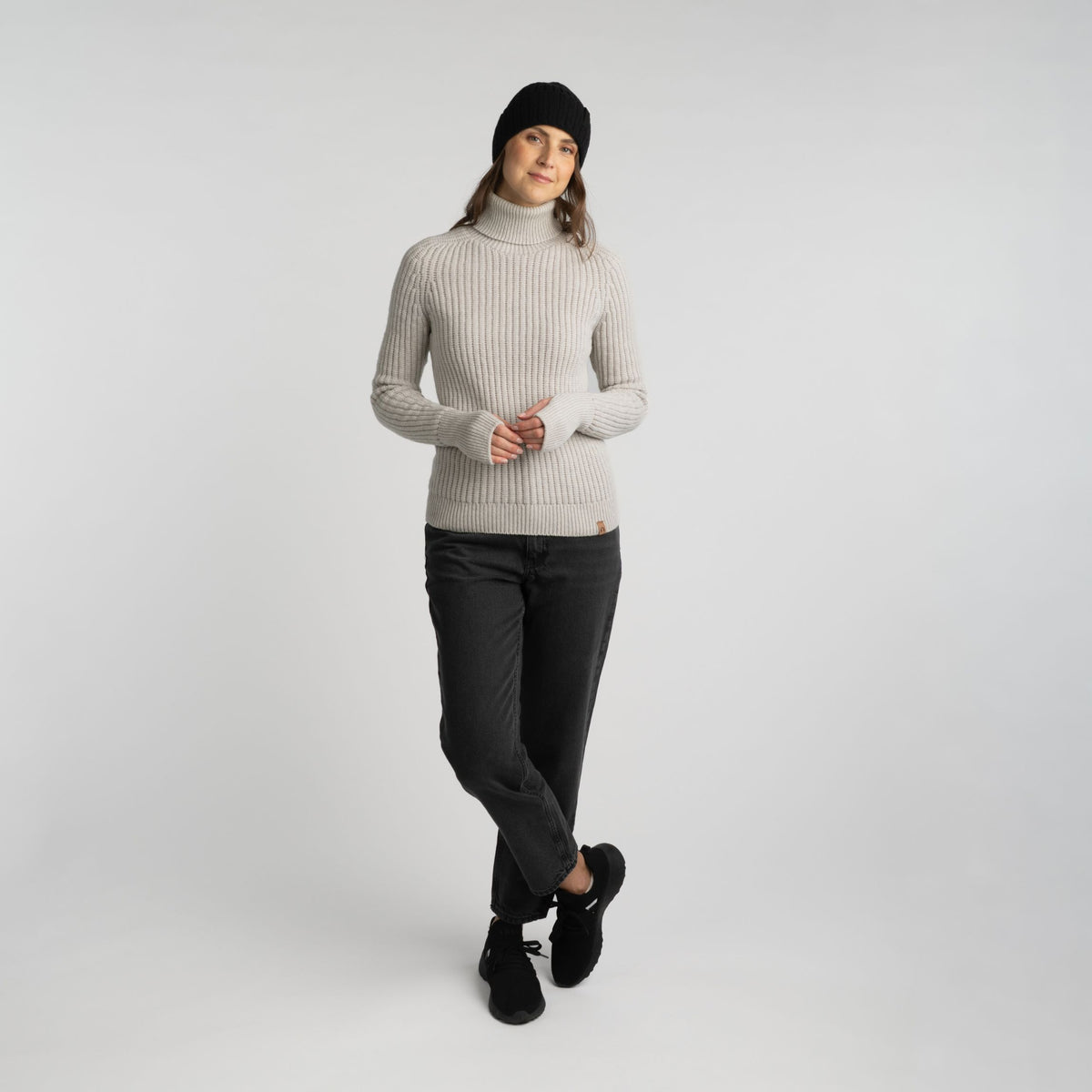
- Merino jumpers made in Finland – knitted in our own knitting mill in Oulu directly to the right size, so very little material is left over.
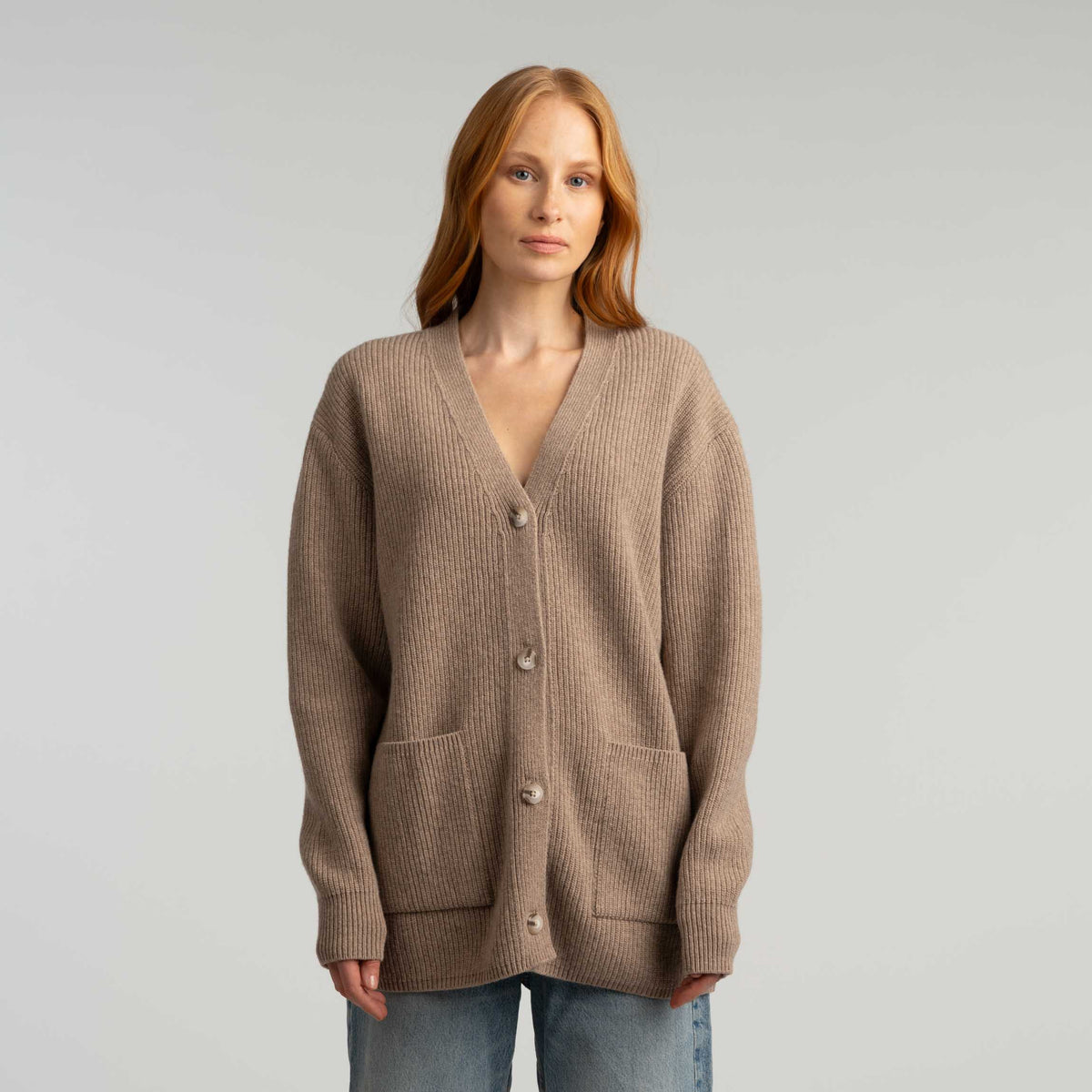
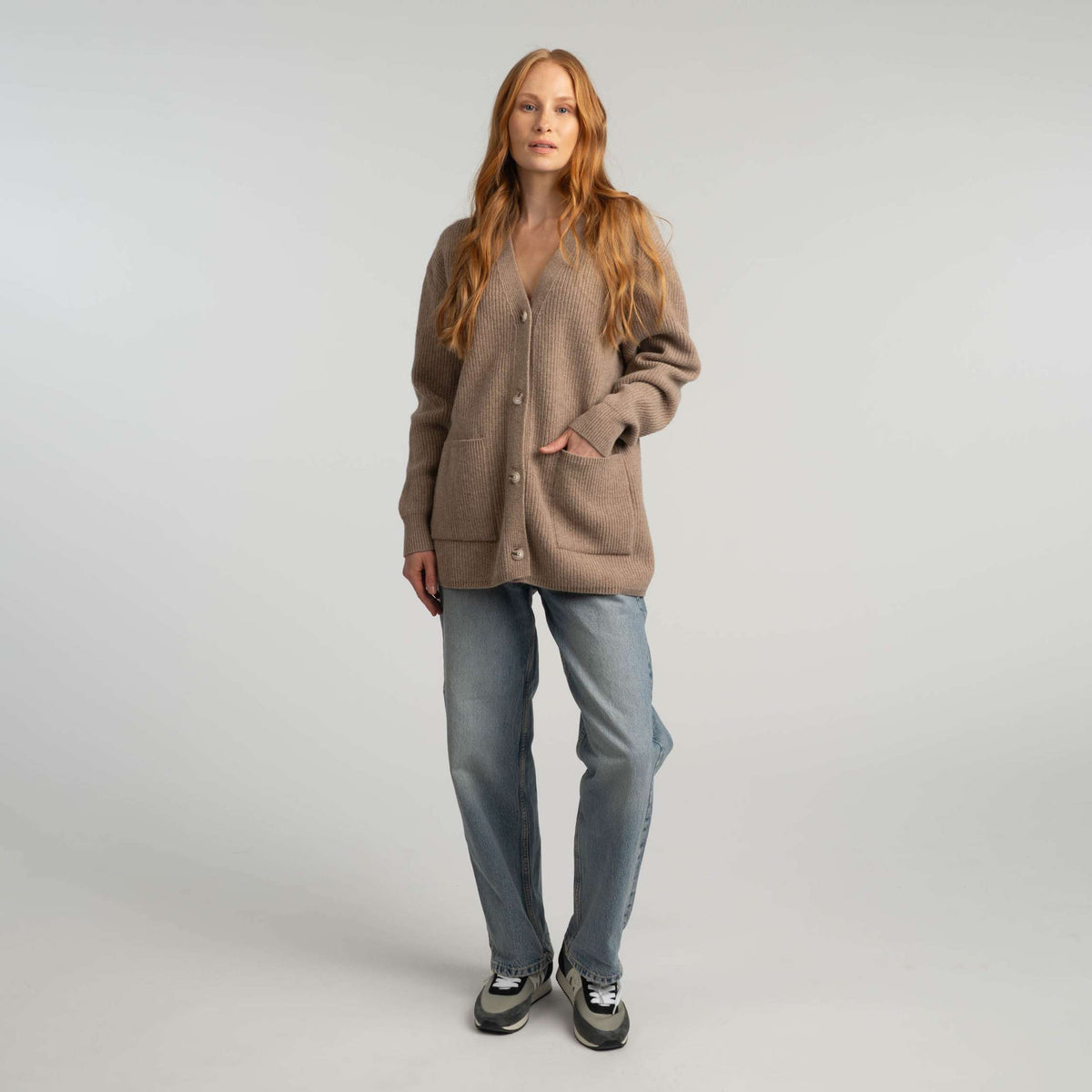
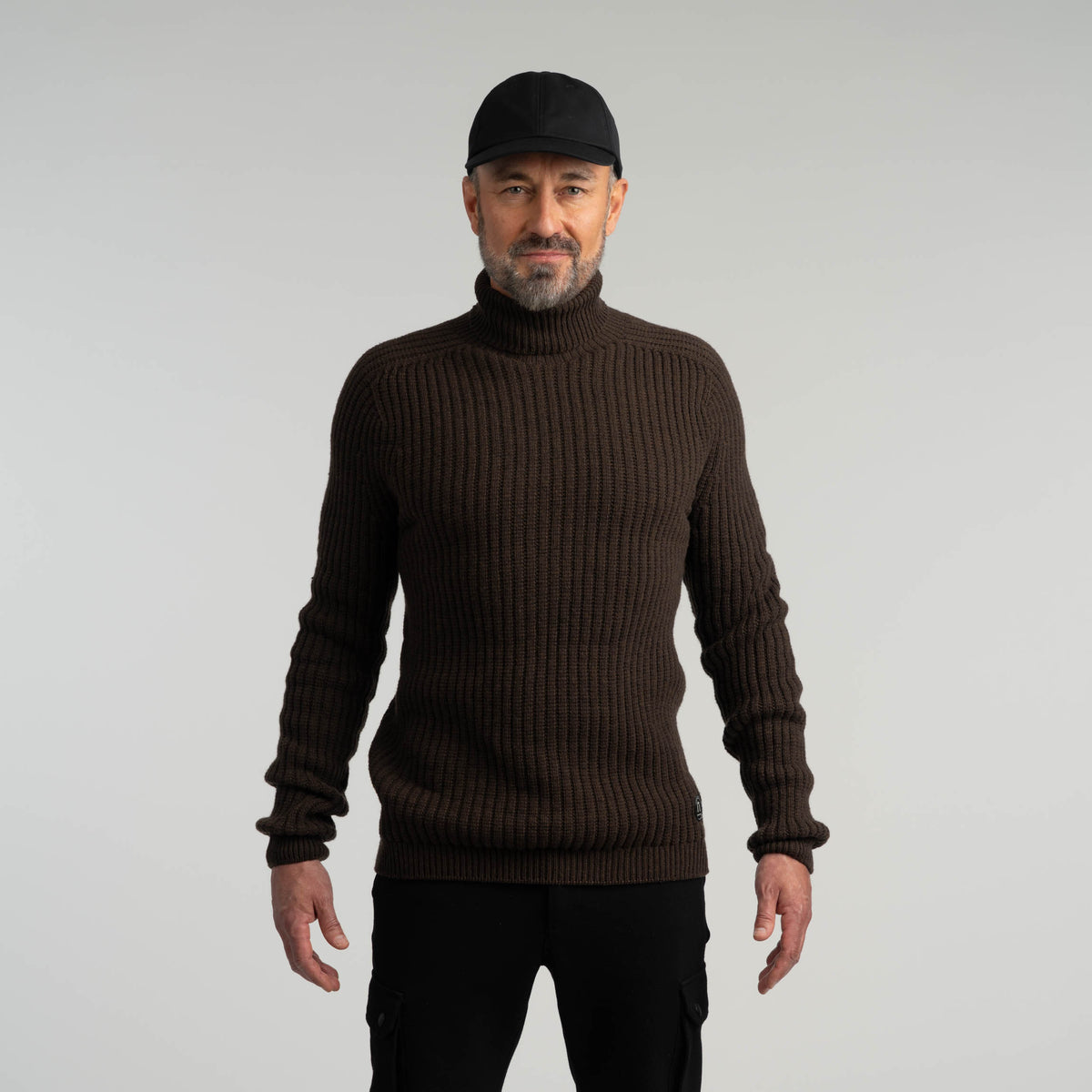
- Women's jumpers and knitwear and men's jumpers – an alternative to a cashmere jumper that holds its shape.
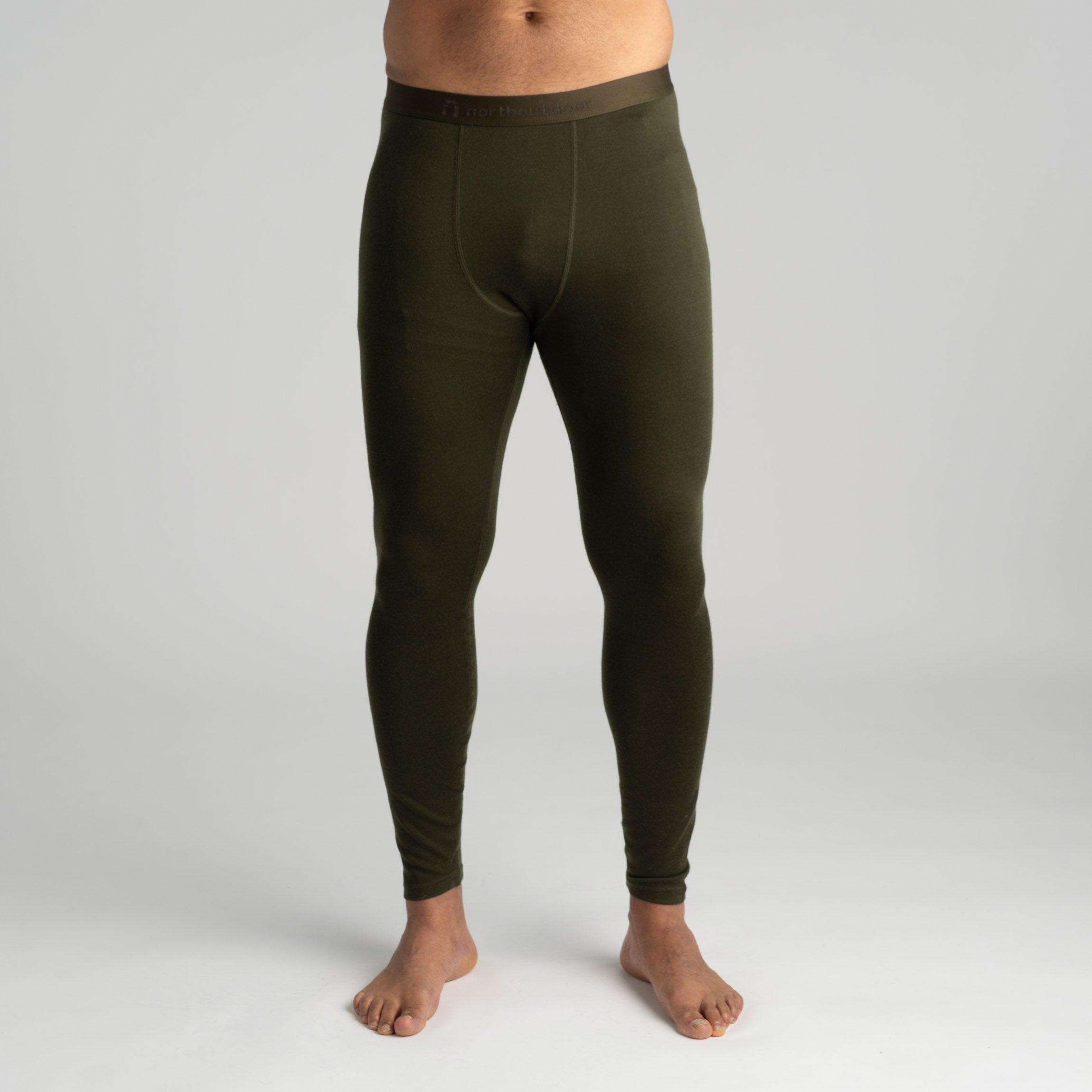
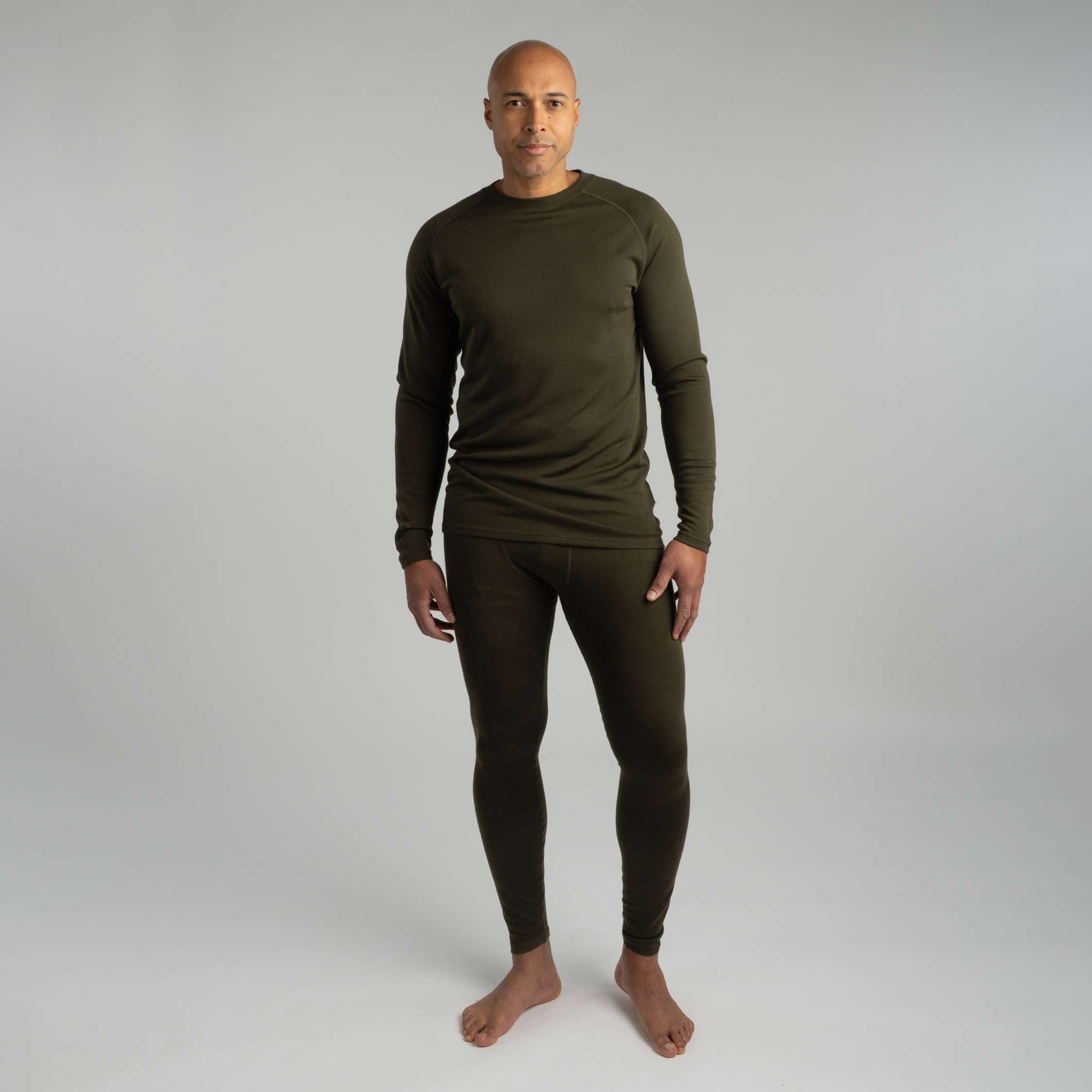
- Merino wool base layers – a use for which cashmere and alpaca are rarely chosen.
Further reading: Does merino wool itch? · What's the difference between merino wool and regular wool? · What is merino wool?
Sources
- The Woolmark Company: What is Merino wool – typical fineness of merino wool
- Wang, Wang & Liu: Properties, Processing and Performance of Rare and Natural Fibres, RIRDC 12/150 – micron ranges, fibre length of cashmere, medullation
- McGregor: Cashmere fibre crimp, crimp form and fibre curvature – crimp of cashmere
- Garnsworthy et al. 1988, Journal of Neurophysiology 59(4) – mechanism of itch and the 75 mgf threshold
- Zallmann et al. 2017, Acta Dermato-Venereologica 97(8) – the wool allergy myth, lanolin content
- Fiber Characteristics of Huacayas, data set of 606 samples – mean diameter 27.9 µm, crimp 33.2 °/mm, fibre length 116 mm
- SGS Wool Testing Services, Bulletin 5.5B – crimp values for merino
- AWEX market data (Mecardo) – fibre length distribution of merino wool
- Pinares et al. 2018, Small Ruminant Research – heritability of medullation in Peruvian alpacas, data set of 21,600 fibres
- The Woolmark Company, specifications F-5 and F-7 – Woolmark Blend and Wool Blend
- Abdel-Rehim et al. 2006, AUTEX Research Journal: Textile fabrics as thermal insulators – knit thickness and thermal insulation
- WoolWise, University of New England – structure and moisture absorption of the wool fibre
- Backpacking Light – independent laboratory comparison of base layer materials
North Outdoor is a Finnish company specialising in merino wool clothing. We design our products in Finland, and most of our jumpers and knitwear are knitted in our own knitting mill in Oulu. We use only mulesing-free merino wool in our products.
Updated 3 November 2026





Leave a comment
This site is protected by hCaptcha and the hCaptcha Privacy Policy and Terms of Service apply.