

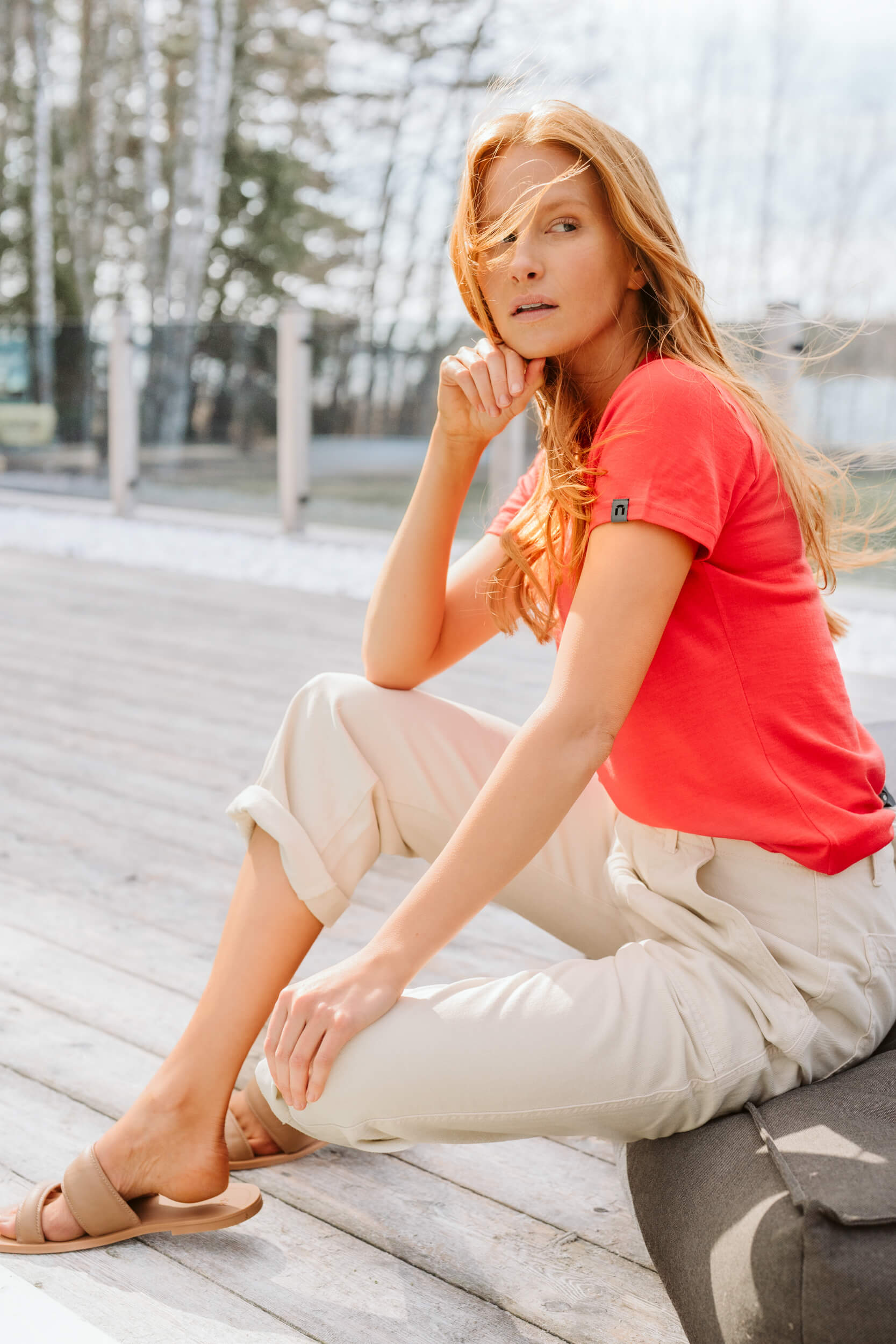
Yes you can – and you should. Thin merino wool (150–190 g/m²) is one of the best summer materials: it transfers moisture away from your skin, regulates temperature in both directions and stays fresh for several days of wear without washing. That's why a merino t-shirt feels cooler in the heat than cotton and works in the city, on trips and on the trail. A woollen garment is not just a winter garment.
Why doesn't merino wool overheat in the heat?
Merino fibre is nature's own air conditioning. It absorbs moisture up to a third of its weight without feeling wet and evaporates it into the air — evaporation cools the skin. A thin merino knit also breathes: air circulates through the fibre, and the garment doesn't stick to the skin the way wet cotton does.
The decisive factor is fabric weight: 150–190 g/m² is right for summer use, 200+ g/m² for winter base layers. The lower the number, the lighter and cooler the garment.
Merino wool vs. cotton in summer?
| Property | Merino wool | Cotton |
|---|---|---|
| Moisture transfer from skin | Excellent — dries quickly | Poor — stays wet |
| Feel when sweating | Dry, doesn't cling to skin | Wet, sticks to you |
| Odour in use | Fresh for several days | Smells within the same day |
| Temperature regulation | Cools and warms | No regulation |
| Wrinkling when travelling | Minimal | Wrinkles |
Cotton is comfortable when dry, but as soon as you sweat, merino wins.

Why doesn't merino wool smell when you sweat?
The surface of merino fibre binds the odour-causing bacteria, and moisture evaporates before the bacteria have time to multiply. In practice, you can wear the same merino shirt for several days on a trip — often airing it overnight is enough. This makes merino the ultimate travel and festival garment: less laundry, a lighter bag.

Does merino wool itch?
It doesn't itch. Merino fibre is significantly finer and longer-staple than traditional sheep's wool, whose thick and coarse fibre has earned wool its itchy reputation. A quality thin merino knit is soft directly against the skin — which is why it's perfect for t-shirts, tops and underwear.
Which merino garments are right for summer?
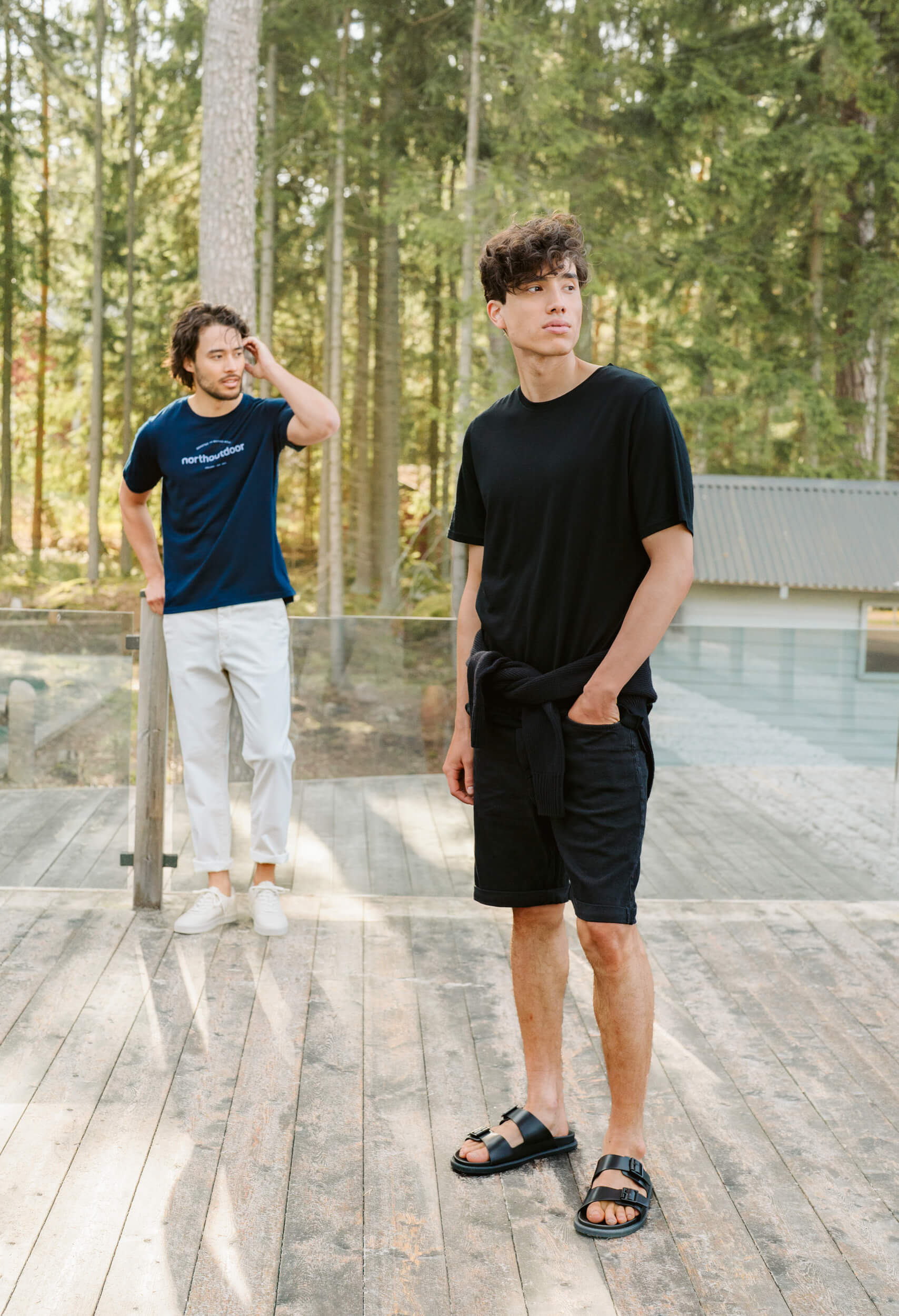
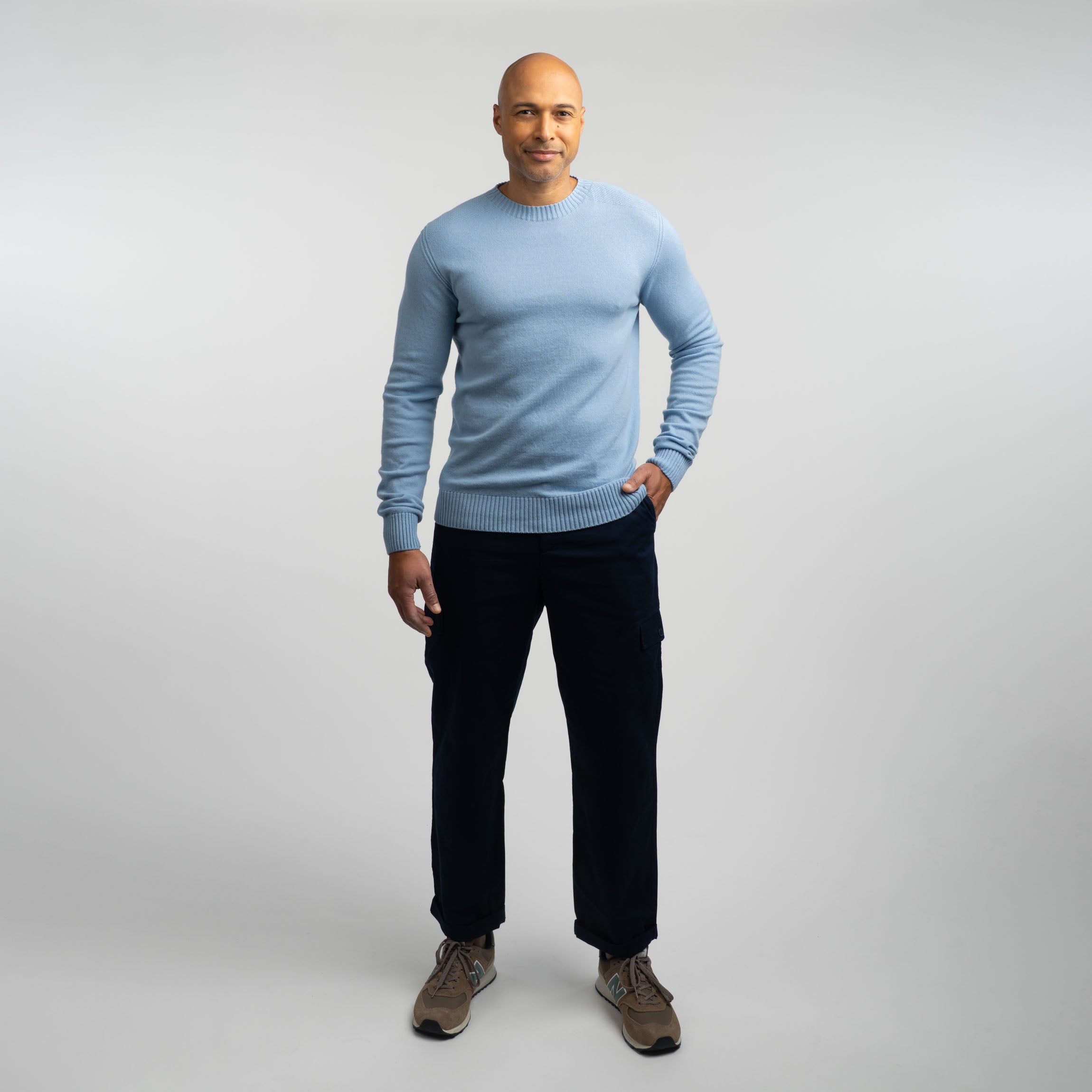
- Women's and men's merino t-shirts — the everyday and travel staple
- Merino dresses and skirts — a cool choice for hot days, doesn't wrinkle in a suitcase
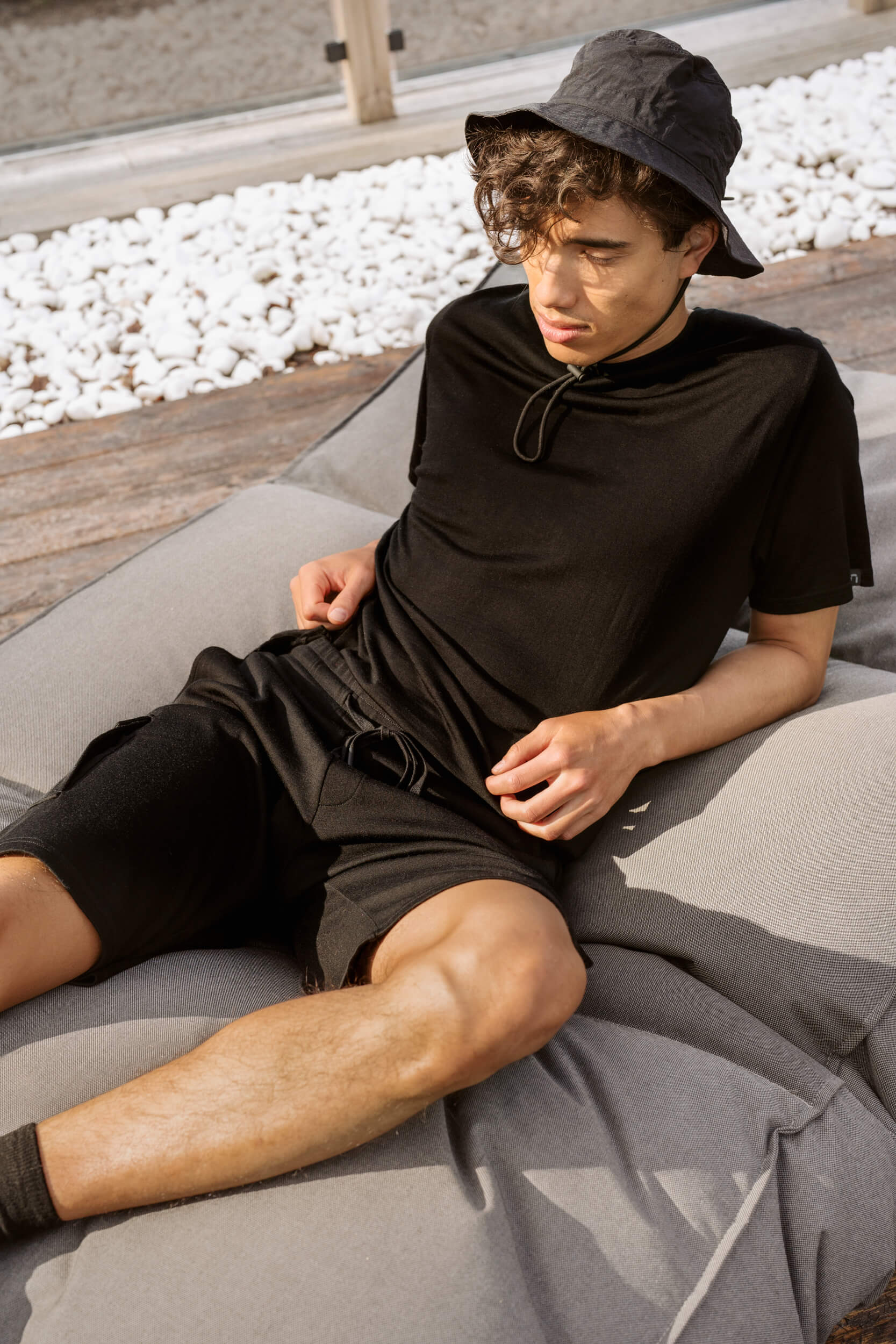
- Merino shorts — lightweight bottoms for activity
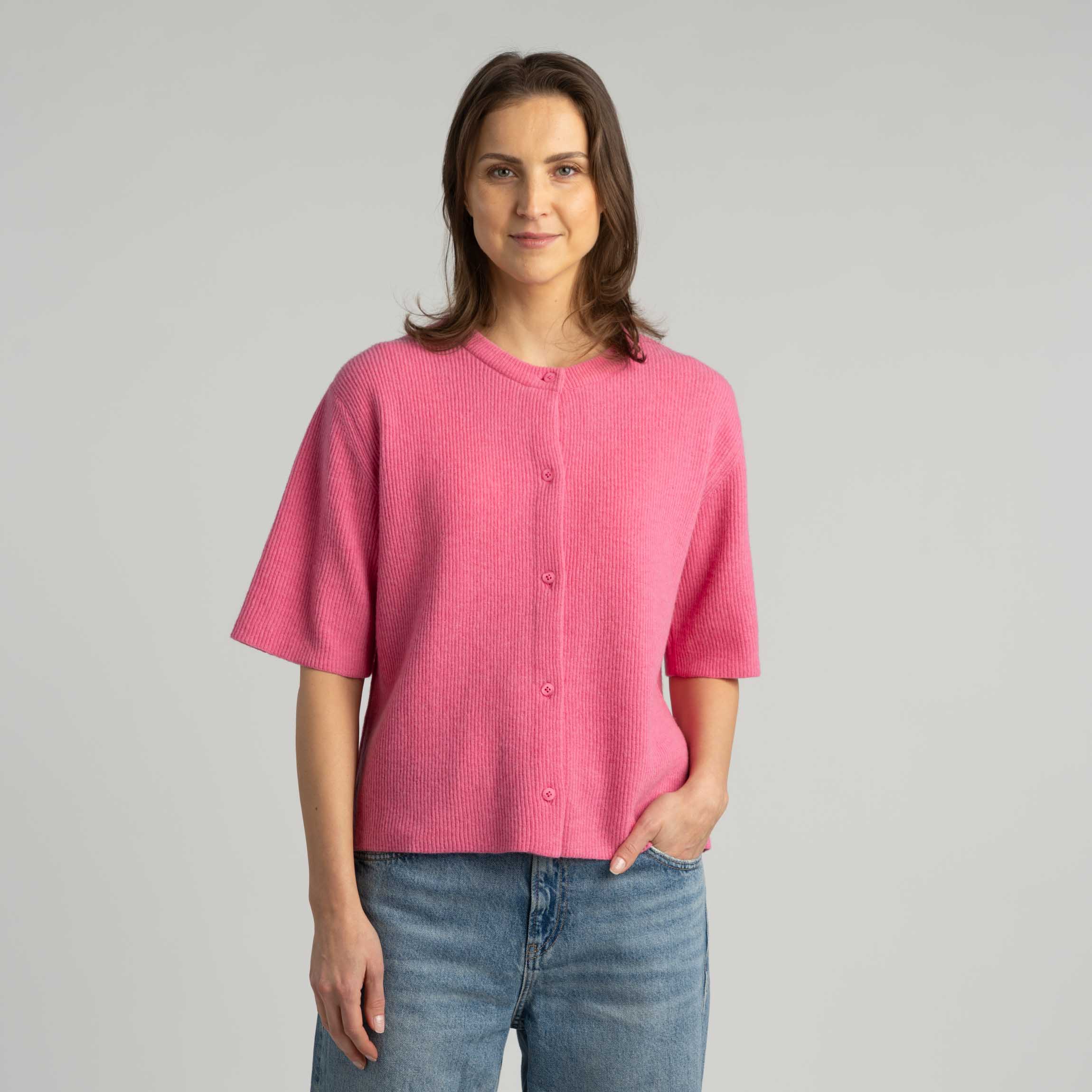
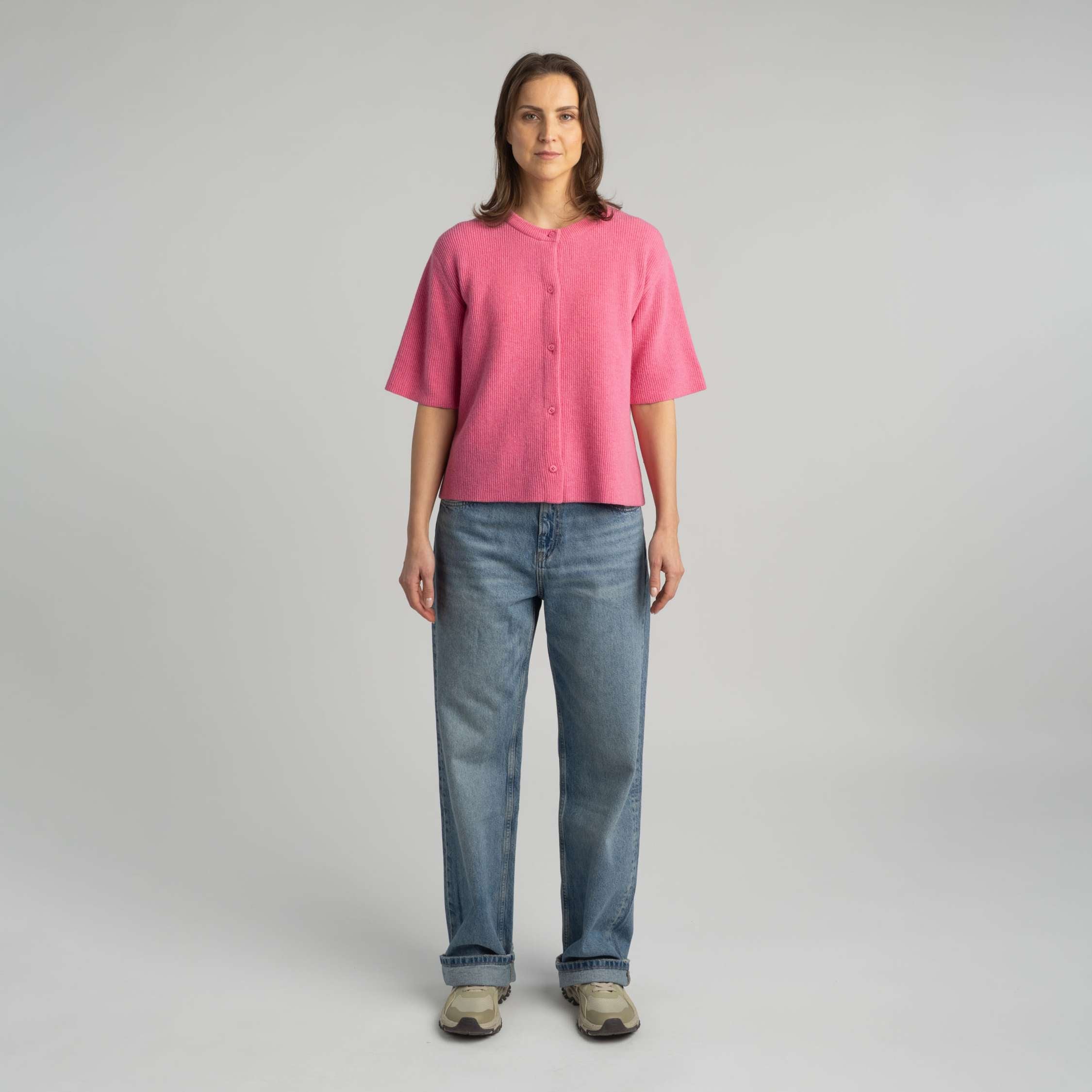
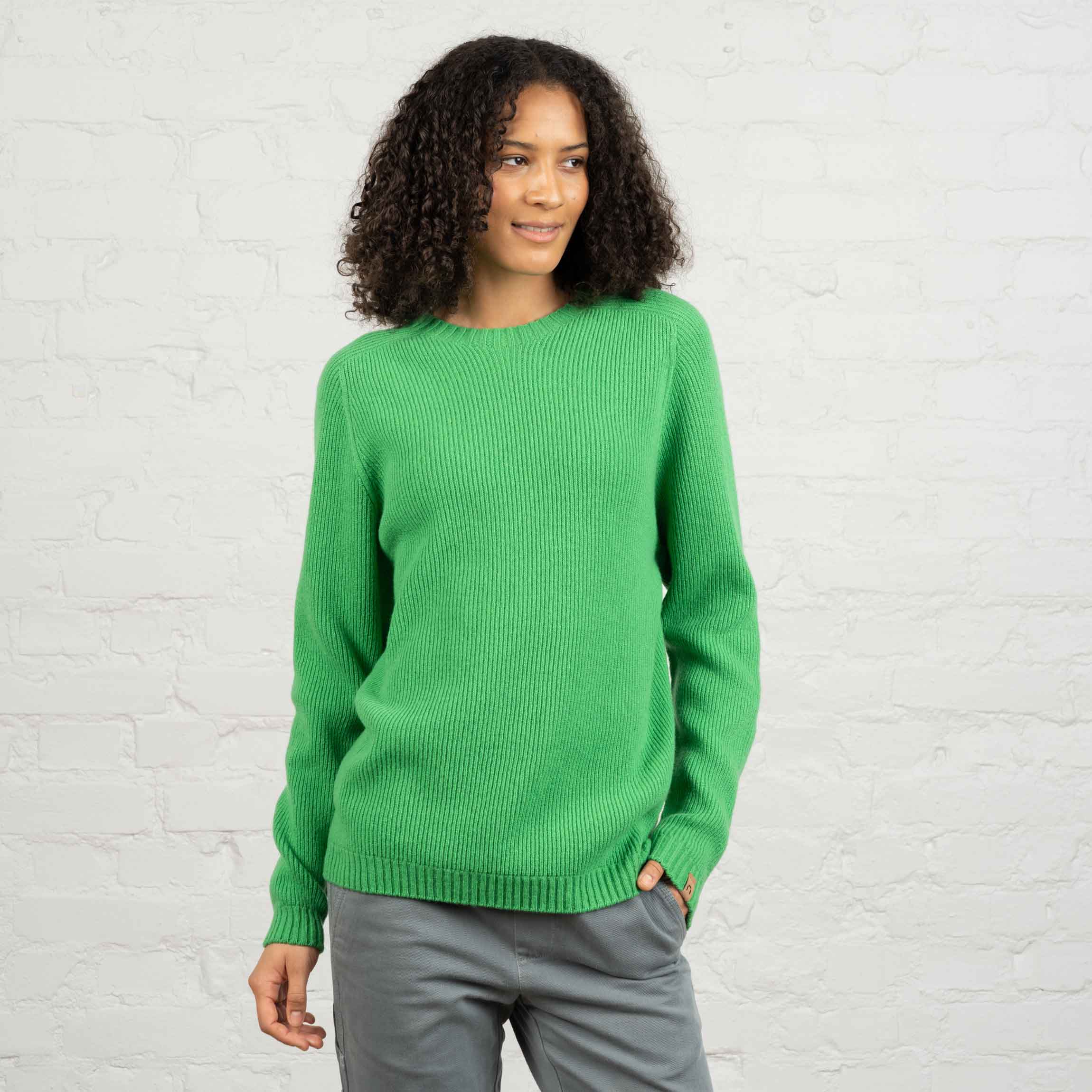
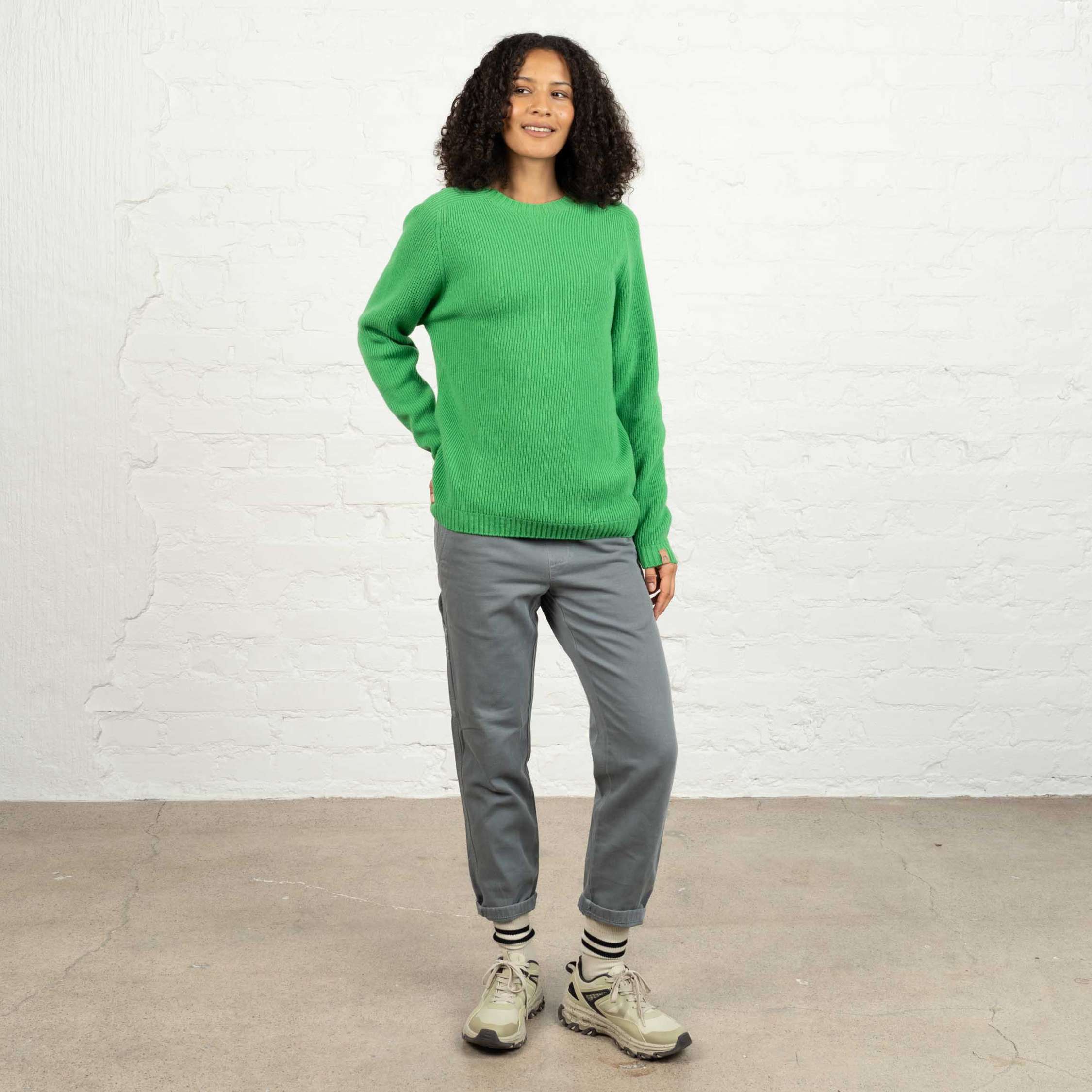
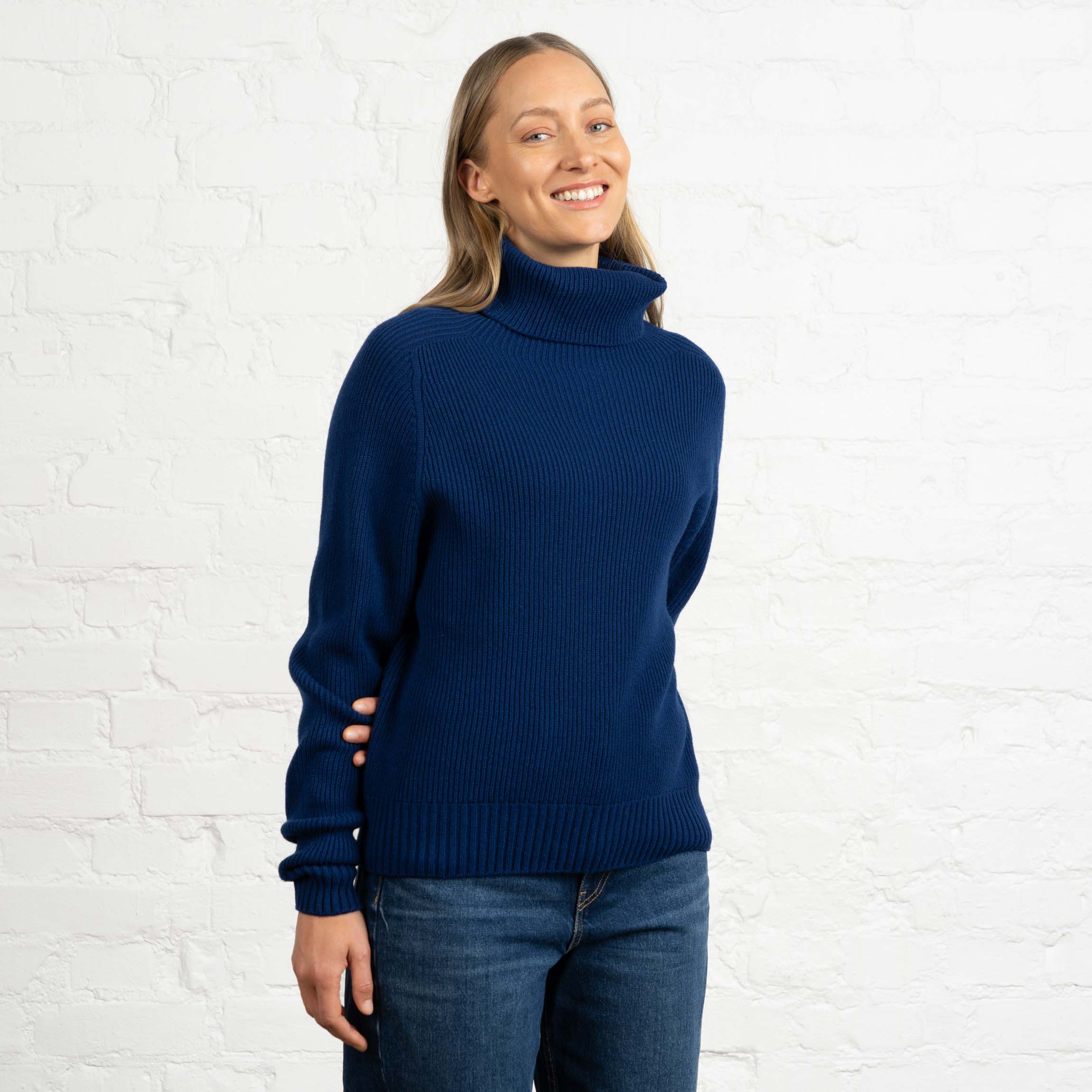
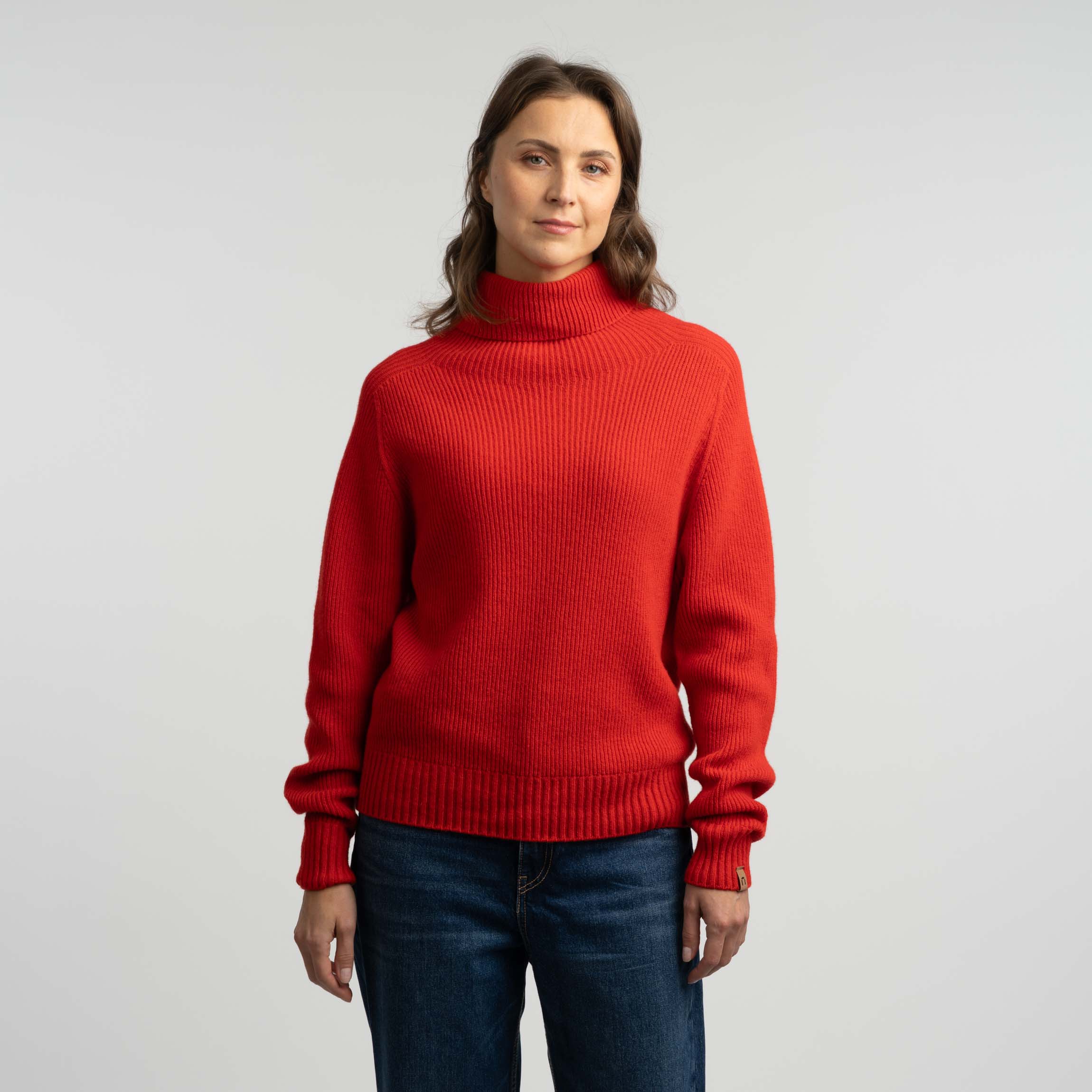
- Thin merino hoodie or knitwear — the saviour for summer evenings and northern summers
- Merino wool socks — keep feet dry even in trainers
Tip: During Summer Sale 11.6.–12.7.2026 summer merinos are up to 40% off — see the selection.

Does merino wool protect against the sun?
Yes — merino wool naturally protects against UV rays. The UPF value of merino wool is generally at least 20 and at best up to 50; darker shades and a denser knit provide better protection. Merino wool is also a fire-safe choice at the campfire: it ignites only above 500°C (cotton at 225°C) and doesn't melt from a spark like synthetic fibres.

Is merino wool suitable for summer hiking?
Excellent for hiking. On the trail, the advantages of merino stand out: during the day the shirt transfers sweat away, in the evening the same shirt keeps you warm as the temperature drops, and on a week's trip you'll manage with 1–2 shirts. In layering, thin merino works as the base layer year-round — read the layering guide.

How do I care for merino garments in summer?
Usually airing is enough. When you do wash, use a 30-degree wool/delicates programme, a laundry bag and wool detergent — see care instructions. Merino wool is also an ecological choice: a renewable, biodegradable and mulesing-free material that requires infrequent washing and doesn't release microplastics into waterways.
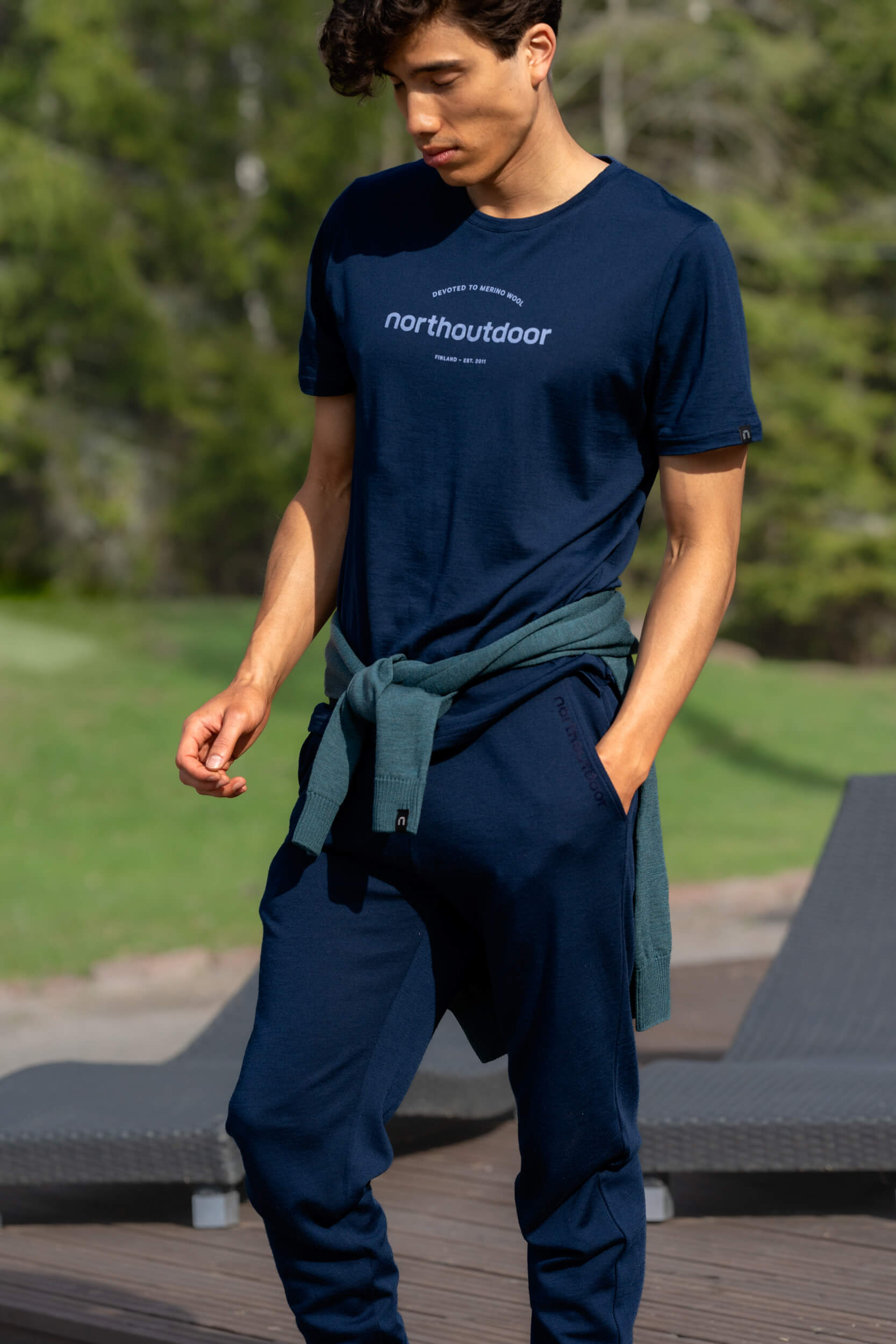
North Outdoor is a Finnish merino wool clothing manufacturer — our knitwear is made in Oulu. Explore Summer Sale →








Leave a comment
This site is protected by hCaptcha and the hCaptcha Privacy Policy and Terms of Service apply.