
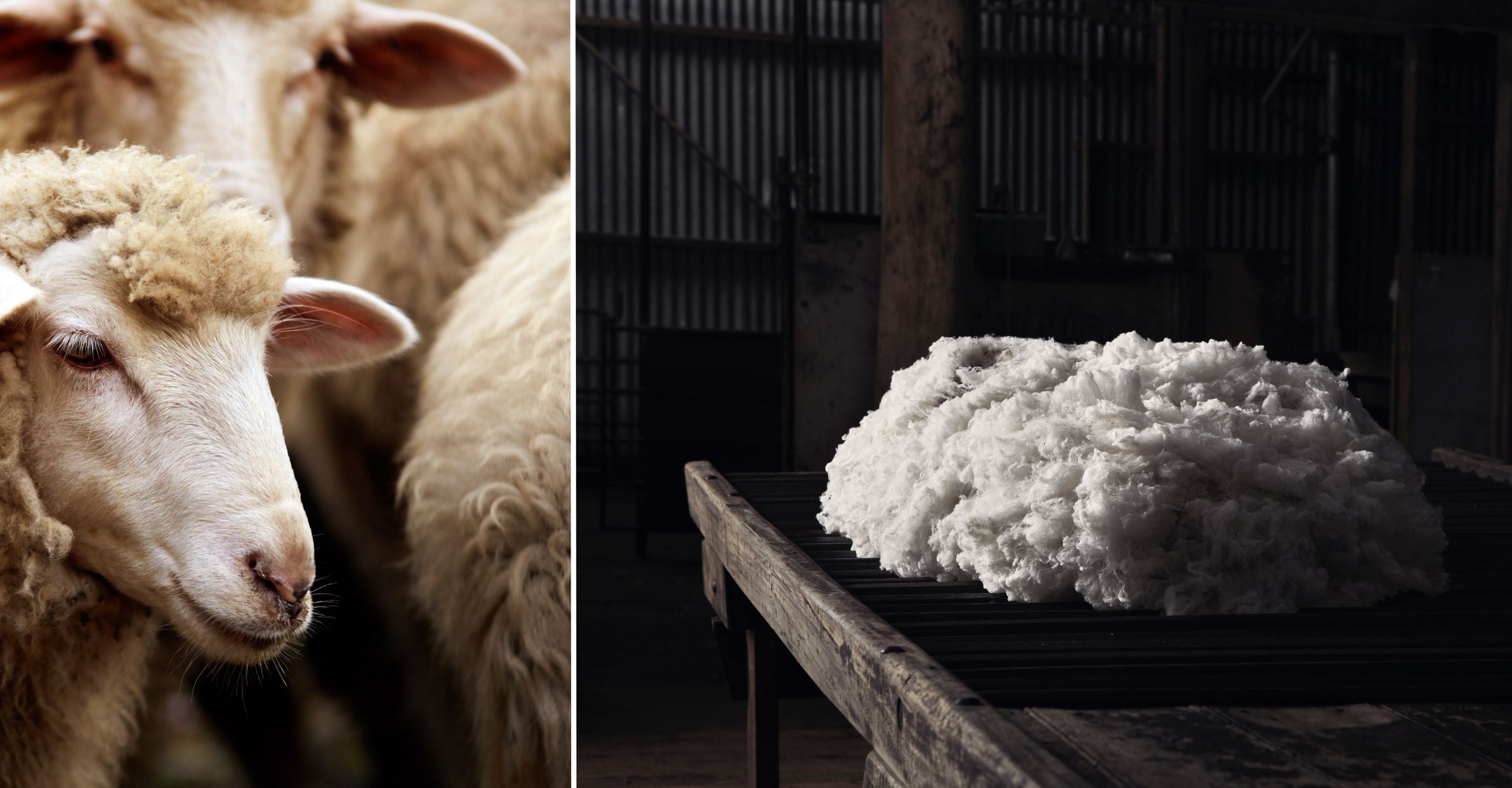
Merino wool is nature's own innovation
Merino wool is a natural innovation that performs well in both freezing cold and scorching heat. Merino wool is sheared from merino sheep. Over time, they have developed an exceptional wool coat that enables the sheep to thrive in the variable conditions of New Zealand's Southern Alps. The breed is also raised elsewhere, such as in Australia and South Africa. Merino sheep graze over large areas and move extensively. Because the terrain is varied and weather conditions fluctuate by several tens of degrees from summer to winter, merino wool and its benefits are also important for the sheep.
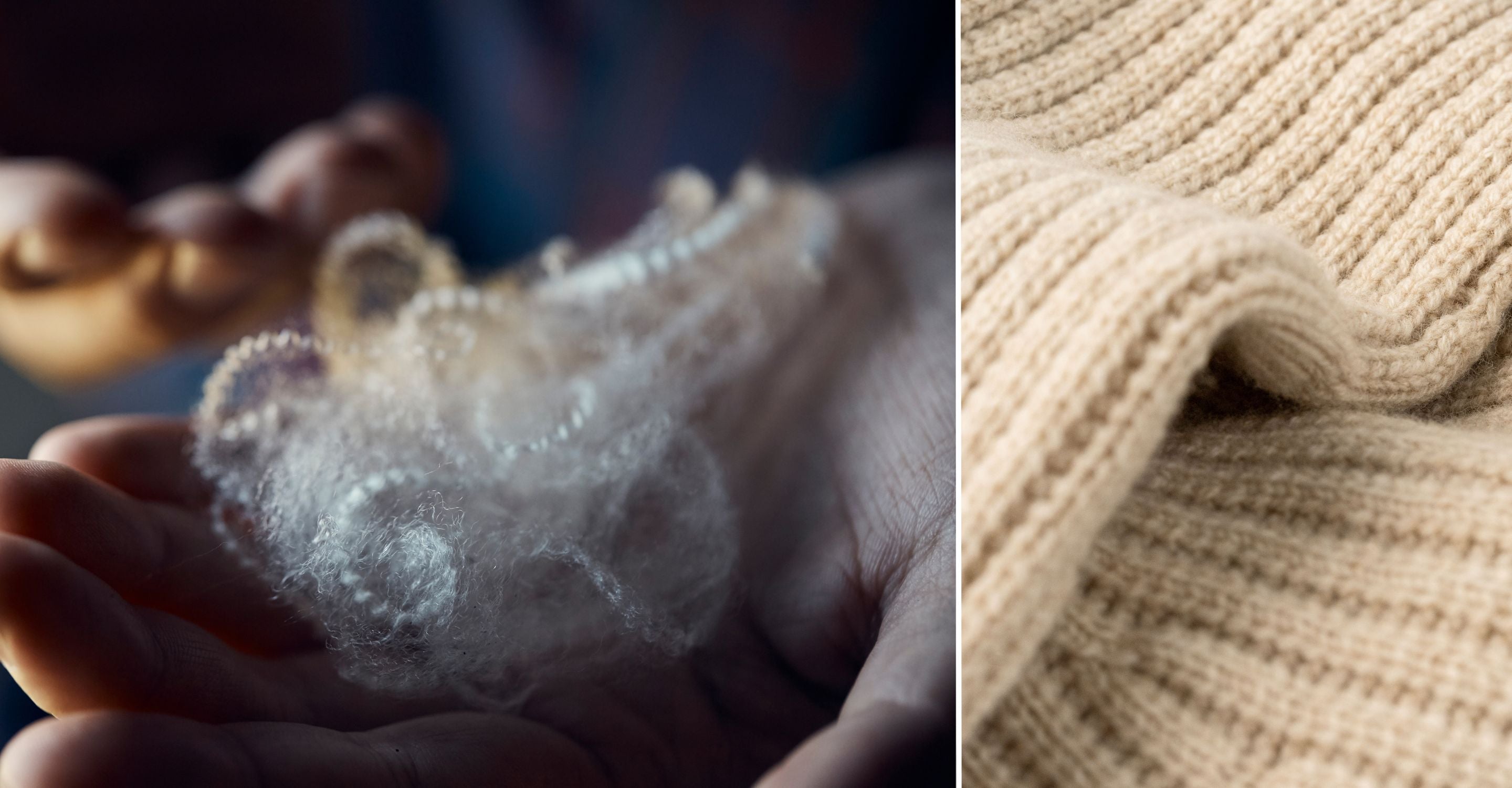
Merino wool is soft
Merino wool is significantly thinner than traditional sheep's wool. Merino wool fibers are long, elastic, and considerably finer than traditional sheep's wool. Due to its exceptional fiber structure, very thin and lightweight fluffy knits can be made from merino yarn. For this reason, the use and popularity of merino as a raw material have grown year by year. The traditional wool sweater has been renewed and is increasingly made from merino wool today.
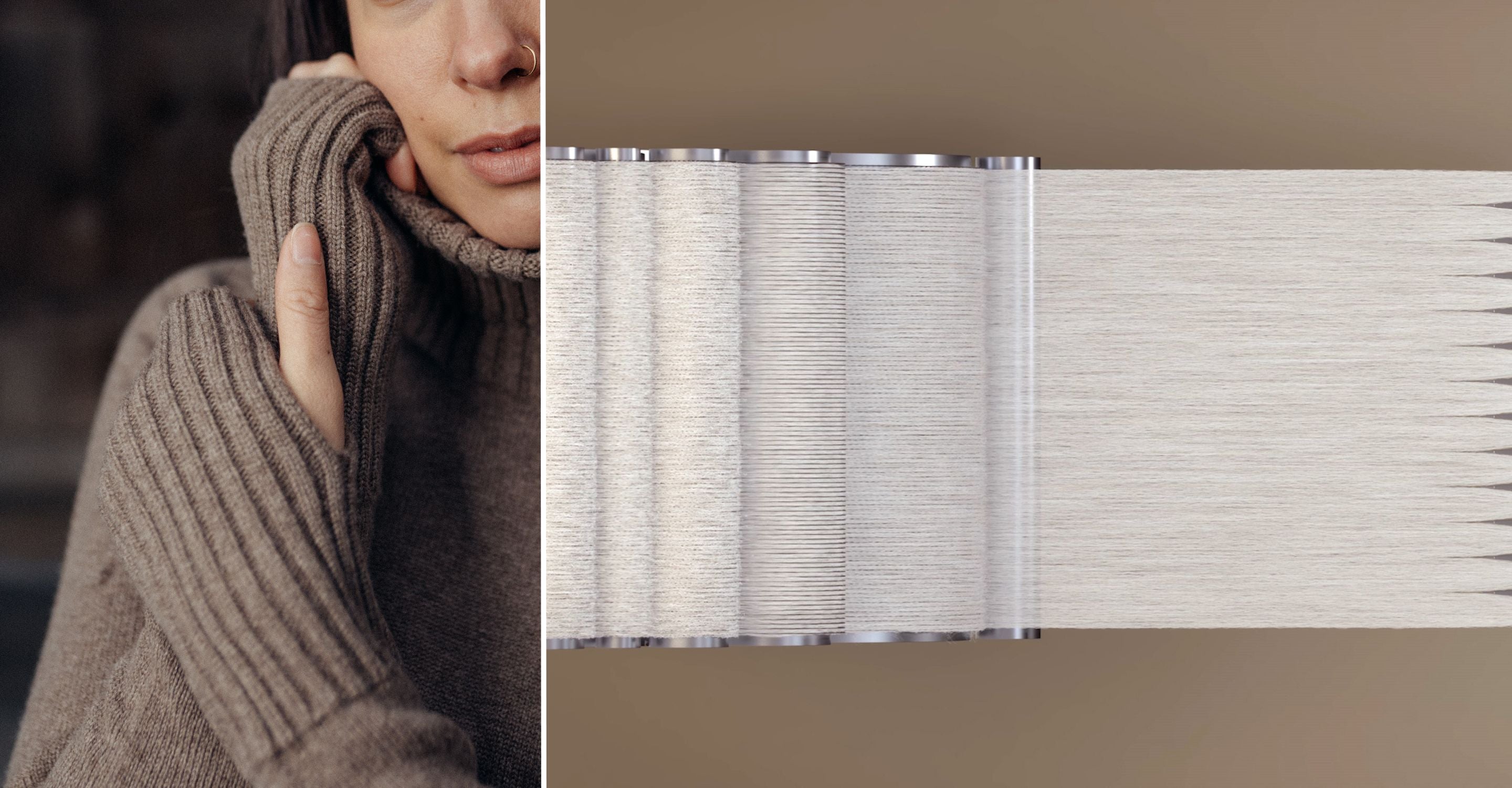
Merino wool is warm
A merino wool garment is suitable for both cold and hot conditions. The garment is warmer the more air it traps inside. Merino wool is the world's most efficient fiber at trapping warming air. This is also the basis for layering with merino wool base and mid layers. The more layers, the more warming air is trapped between the fibers. Even a thin merino layer warms more effectively than the thickest synthetic fiber base layer.
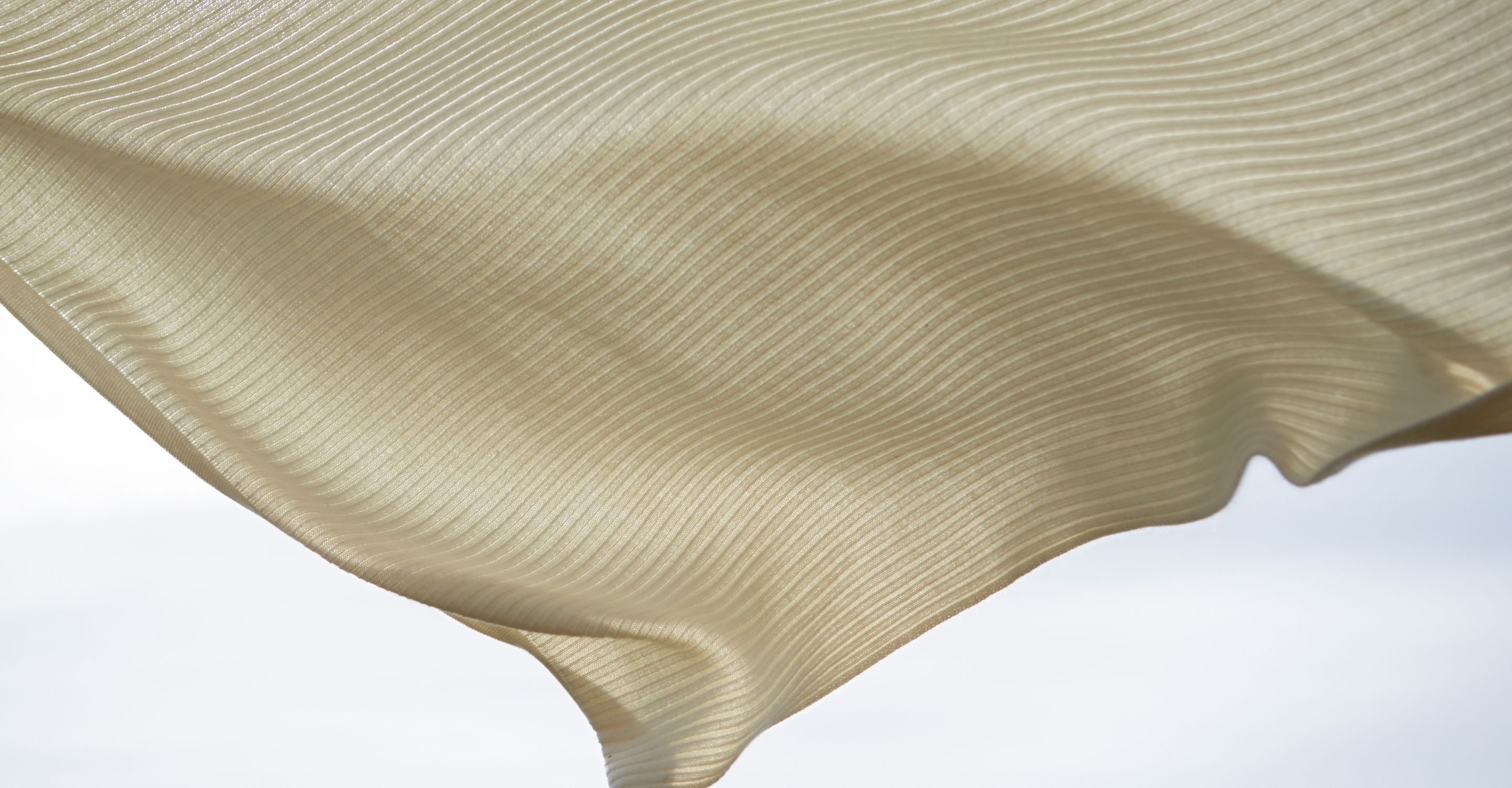
Merino wool is breathable and moisture-wicking
The clever merino wool fiber also responds to body temperature. When the skin heats up, moisture trapped in the garment is released to cool the microclimate between the body and the knit. This way, the wearer of a merino wool garment feels comfortable even in heatwaves. Merino wool always feels dry. This is due to merino wool's property of transferring moisture away from the skin, after which the vapor evaporates into the air. Merino wool fiber can absorb up to 30% of its own weight in moisture and still feel dry to the touch.
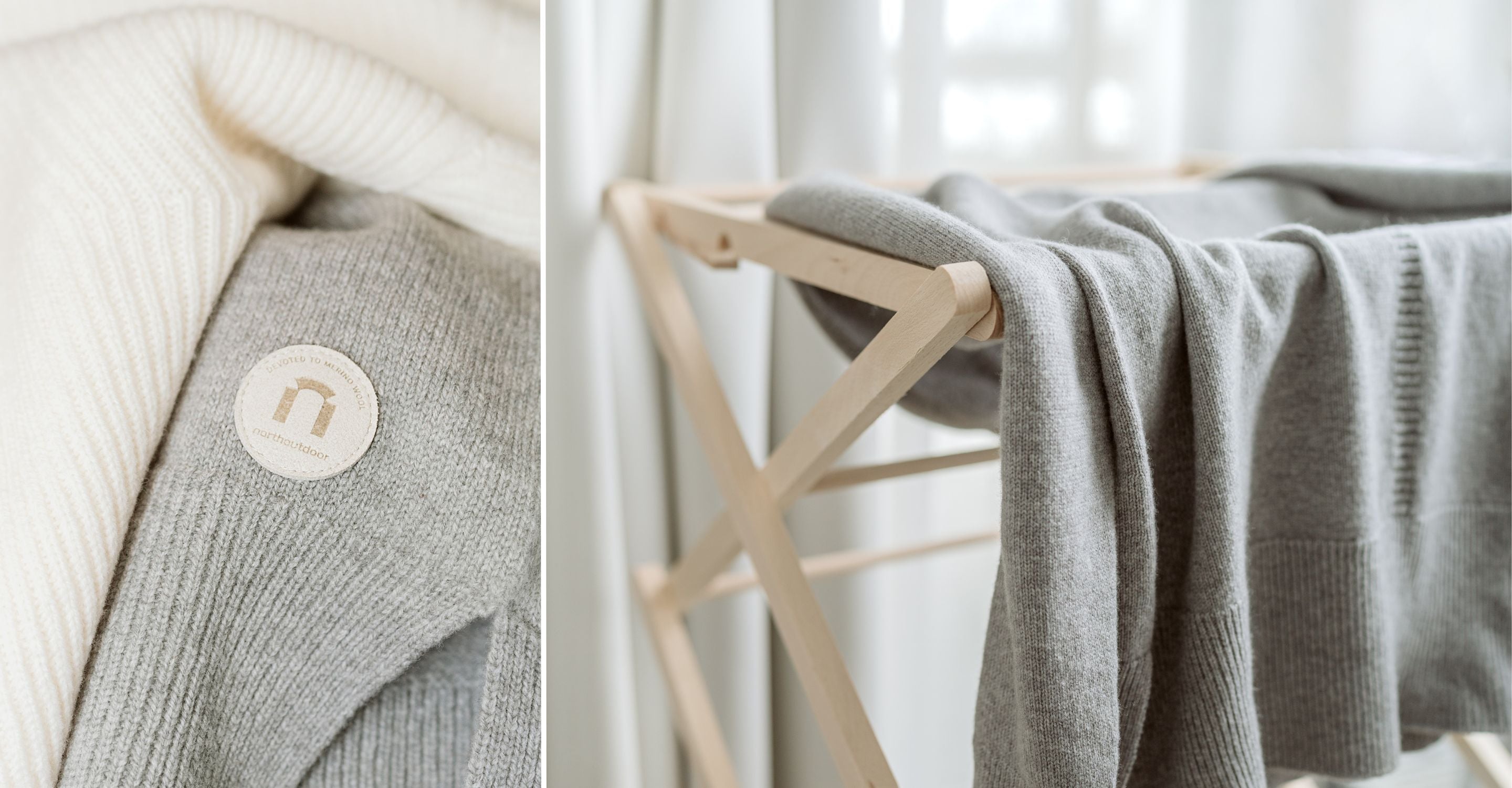
Merino wool is antibacterial
Antibacterial properties are yet another outstanding demonstration of why merino wool is such an amazing material. This feature refers to merino wool's ability to self-clean. Merino fiber reacts with oxygen by evaporating odor molecules. The garment lasts longer with fewer washes. Merino garments are cared for by airing them out. This is especially convenient during hiking and travel. An antibacterial merino wool garment is also an ecological choice. Fewer washes mean less environmental impact. By reducing washing frequency, you reduce your carbon footprint.
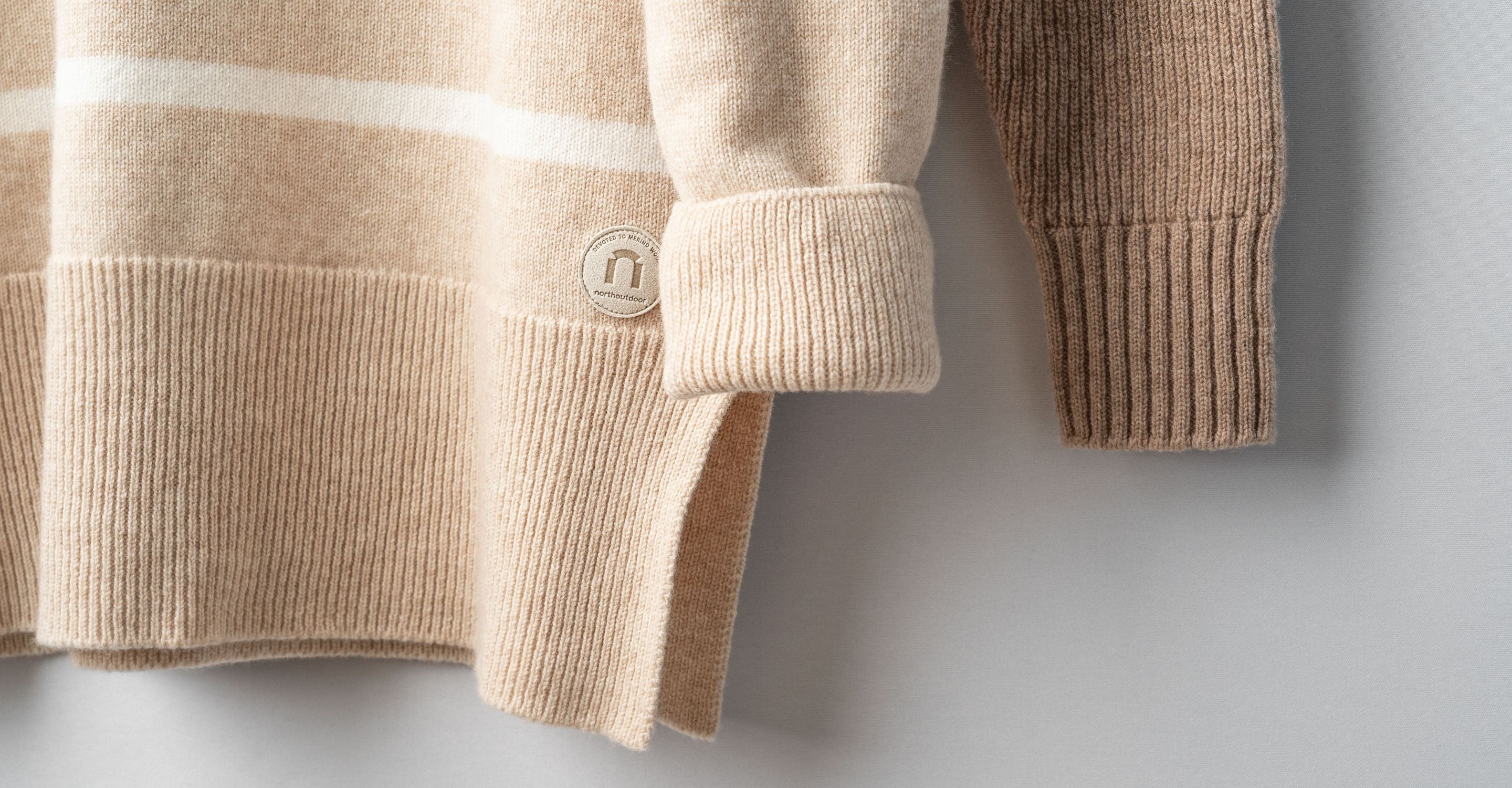
North Outdoor and merino wool
North Outdoor's main raw material is merino wool. merino wool knit is a perennial favorite of the brand. merino wool base layer, merino wool sweater, merino wool socks, and accessories such as tubescarf and merino wool beanie are continuous favorites among outdoor enthusiasts and winter sportspeople. Our selection includes a wide variety of products for women and men.
Frequently asked questions about merino wool
What is the difference between wool and merino wool?
Merino wool has clearly finer and longer wool fibers than other types of wool, which allows for the production of significantly lighter and softer knits from merino wool.
Is merino wool warm?
Even a thin merino wool knit insulates heat very efficiently. The indisputable advantage of merino garments is that you feel comfortable and warm, but the clothes do not cause sweating and movement in them is pleasant.
What is mulesing-free merino wool?
Mulesing is a surgical procedure used by Australian sheep farmers where a piece of loose skin is removed around the sheep's rear. The formation of a scar prevents blowflies from laying eggs and nesting on the sheep's skin. As an unanaesthetized procedure, it is painful for the sheep, and for this reason, all merino wool used by North Outdoor comes from farms where mulesing is not practiced.
Why doesn't merino wool itch?
Due to its unique fiber structure, merino wool is significantly softer, more elastic, and lighter than sheep's wool. The most common perception of wool is often formed by traditional sheep's wool. Wool has been experienced as itchy and even coarse against the skin. This is due to the thick and coarse structure of traditional wool fibers. Unlike traditional sheep's wool, merino wool fiber is extremely long and fine. This enables the production of thin and soft merino garments.
In North Outdoor's selection, you will also find the Sensitive collection, designed for those who find all types of wool irritating to the skin. Products in the Sensitive collection are made from double knit fabric, with the inner surface made of non-itch bamboo viscose and the outer surface 100% merino wool. Merino-bamboo knit can also be found in selected products from the All day collection.
Can merino wool be washed at 40 degrees?
Merino wool garments should be washed using the wool or delicate wash program at 30 degrees. We recommend using wool detergent specifically for merino garments. You can find more detailed care instructions for merino garments here.
What is wool fleece or merino fleece?
Wool fleece or merino fleece is a breakthrough that has been eagerly awaited! North Outdoor's product development has resulted in the merino fleece, which dazzles with benefits that are multiple times greater compared to traditional polyester fleece. Traditional fleece garments have used plastic-based materials that release microplastics into wastewater during washing throughout their entire lifecycle. The environmental friendliness of wool fleece consists of three factors: a high percentage of environmentally friendly material, long usage life, and minimal washing needs. North Outdoor's merino fleece is 95% biodegradable. The material contains 5% elastane, which significantly extends the product's lifespan. Merino fleece is also considerably warmer than traditional polyester fleece.
Is it advisable to wear merino wool against the skin?
The greatest benefit of merino wool is gained by wearing it directly against the skin. Merino wool has a natural ability to regulate body temperature. Therefore, the material feels especially warm in winter and cool in summer against the skin. If you do not want to wear a wool sweater directly against the skin, it is recommended to wear a merino wool t-shirt or a tank top underneath. Our selection also includes merino wool underwear, such as merino wool boxers.
Is merino wool hot in summer?
Merino wool breathes excellently and naturally regulates temperature fluctuations. Therefore, garments made from merino wool are also well suited for use during summer. The thinner the wool fiber used in the garment, the faster and more efficiently the wool regulates heat.
